Amazing Choppy Layers For Short Hair: Effortless Style Ideas
How do short haircuts with uneven layers create distinctive styles? Short, textured cuts with sharp, asymmetrical lines are gaining popularity.
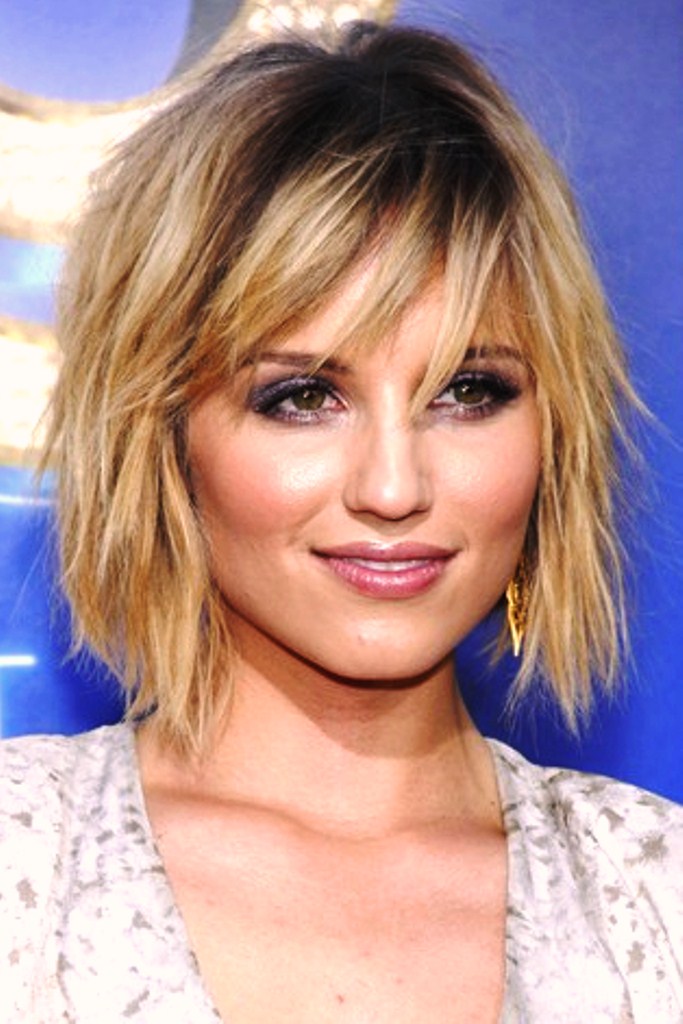
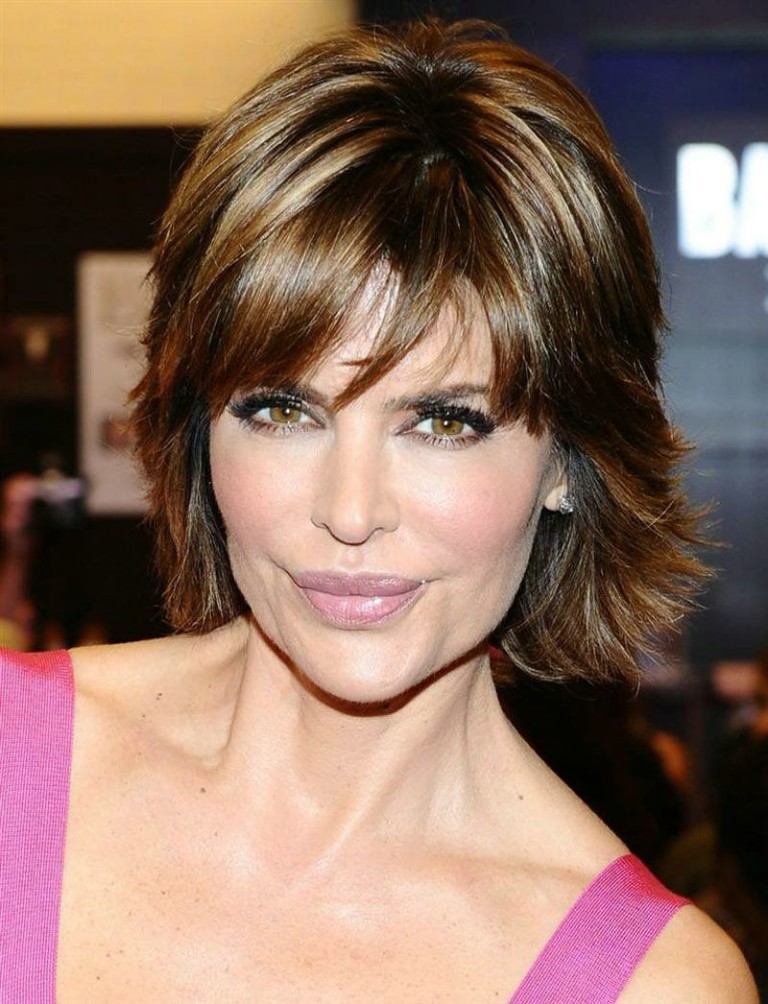
Short haircuts featuring uneven, or "choppy," layers are a technique that creates visual interest and movement in a short hairstyle. These layers are cut at varying lengths and angles, leading to a dynamic, often textured appearance. The lack of uniformity in the layers results in a less polished, more casual feel, and can add volume and dimension to a shorter style. Consider a bob with varying lengths around the face, or a pixie cut with multiple, irregular layers.
This style offers versatility in achieving desired looks. The graduated lengths and irregular cuts lend themselves well to both sleek and tousled aesthetics. The "choppy" effect adds character, allowing for easy styling variations. The ability to adjust the look, from effortless waves to sharp angles, makes this approach highly adaptable and desirable for different lifestyles. Such layered cuts often require less maintenance compared to longer hairstyles with intricate styling needs.
| Celebrity | Hair Style | Known for |
|---|---|---|
| Emma Stone | Short layered bob | Versatile styling; ability to easily transition from sleek to textured |
| Zendaya | Short, choppy pixie | Bold, modern style that elevates the look; strong visual presence |
| Billie Eilish | Short layered cut | Unique, unconventional style showcasing individuality |
Further exploring short hairstyles, their benefits, and the range of styling techniques is relevant. This could encompass an analysis of popular cuts, specific styling tips, and perhaps even a comparison of different types of short hair textures and how layers impact those.
Choppy Layers on Short Hair
Understanding the characteristics of choppy layers in short hair is crucial for achieving desired aesthetics and achieving a balanced final look. This involves recognizing the technical elements and visual implications of this styling choice.
- Texture
- Volume
- Movement
- Shape
- Styling
- Versatility
- Maintenance
The key aspects of choppy layerstexture, volume, movement, shapeinfluence the overall aesthetic. These layers, cut at various lengths and angles, generate visual dynamism. The resulting texture can range from sleek to tousled, with the volume and movement varying according to the specific cut. This variability in shape and style directly affects styling choices, from straightforward blow-drying to more complex methods. Ultimately, the versatility of choppy layers accommodates diverse personal preferences and lifestyles, while the maintenance requirements depend on the specific layering and overall length. A strategic layering approach ensures a desirable balance between visual impact, style, and practicality. For example, a short, choppy pixie cut can be stylish and low-maintenance, whereas longer, choppier layers may require more regular trims and careful styling.
1. Texture
Texture plays a critical role in shaping the overall aesthetic of short hair with choppy layers. The manipulation of hair's surface characteristics, achieved through varying lengths and cutting techniques, profoundly influences visual impact and styling possibilities. Understanding the interplay between texture and these cutting techniques is essential for achieving a desired look.
- Impact of Cut on Texture:
The specific cutting techniques employed directly influence the hair's texture. Sharp, angular cuts result in a more textured, choppy appearance, while softer, blended layers produce a smoother, more polished finish. The density of the hair also contributes; thicker hair may require more pronounced layering to create a significant textural difference, while finer hair might benefit from more subtle techniques.
- Visual Effects of Different Textural Combinations:
A layered cut that accentuates the natural wave or curl pattern of the hair creates a textured look with movement. Conversely, a choppy cut on straight hair can add a unique, edgy texture by introducing a variety of lengths and shapes. These combinations of cut and hair type produce varying levels of volume and thickness, impacting the hairstyle's overall impression.
- Relationship to Styling Options:
The texture created by the choppy layers significantly influences styling options. A textured cut allows for a greater range of styling techniques, from sleek and polished looks to tousled and edgy styles. The different textural facets enable stylists and individuals to adjust the hair's appearance, adapting it to various occasions and moods. Different styling products also interact differently with various textures.
- Maintenance Considerations:
Maintenance requirements for a textured, choppy short hairstyle often depend on the type of texture created. A highly textured cut might require more frequent trims to maintain shape and prevent the hair from appearing uneven. Products to maintain and enhance the desired texture should also be considered.
In conclusion, the texture achieved through choppy layers on short hair is a crucial factor in achieving a desired aesthetic. The relationship between the chosen cut, hair type, styling, and maintenance is multifaceted. Understanding these intricate connections is vital for both achieving the desired look and ensuring appropriate maintenance of the hairstyle.
2. Volume
Volume is a critical element in short hairstyles, particularly those featuring choppy layers. The strategic placement and shaping of these layers directly influence the perceived volume and thickness of the hair. Understanding this relationship is fundamental to achieving a desired look and necessitates careful consideration during the design and execution phases.
- Layer Density and Volume:
The density of layers significantly impacts volume. Sparse, strategically placed layers create a lighter, less voluminous feel, whereas a higher density of shorter, choppy layers can add considerable volume. This allows for tailoring the final look to suit diverse hair textures and types.
- Cutting Technique and Volume Creation:
Specific cutting techniques influence the hair's volume. Techniques like layering around the crown or at the perimeter can heighten overall volume and add movement. Thinning or texturizing within layers fine-tunes the hair's density and adds visual and tactile volume. The combination of these elements, achieved by a skilled stylist, determines the final volume.
- Hair Type and Volume:
The natural texture and thickness of hair affect how volume is perceived and achieved. Fine, straight hair typically needs a more involved layering technique or volumizing products to create noticeable volume. Thick, coarse hair, on the other hand, may naturally possess greater volume, so layering might be used to control or shape the existing volume.
- Styling and Volume Enhancement:
Even with a cut designed for volume, styling techniques play a crucial role in enhancing it. Utilizing appropriate styling products (e.g., volumizing sprays, mousses) and techniques (e.g., blow-drying with a round brush) can amplify the volume created by the layering process. Understanding this synergistic approach is critical to realizing the full potential of the cut.
In summary, the connection between choppy layers and volume is multifaceted. The combination of layer density, cutting technique, hair type, and styling choices collectively determines the final volume and visual impact of the hairstyle. A stylist's ability to understand and effectively manipulate these variables is key to achieving the desired result.
3. Movement
The perceived movement in a short haircut with choppy layers is a crucial element in shaping the overall aesthetic. This dynamism, created by the interplay of various lengths and angles, is critical for both visual interest and the interpretation of the style. The technique influences how light interacts with the hair, enhancing its visual appeal and adding dimension to the appearance.
- Impact of Varying Lengths:
The varied lengths of choppy layers create dynamic movement. The different lengths catch light in varied ways, generating a sense of motion even when the hair is still. This visual play of light and shadow significantly contributes to the perceived movement of the overall style, a crucial aspect for generating interest in the hairstyle. Different angles of cut lead to distinct patterns of light catch and reflection.
- Role of Layering Angles:
The angles at which layers are cut significantly affect the way movement is perceived. Sharp, angled cuts produce a more pronounced sense of movement and dynamism, contrasting with the smoother, softer movement achieved by gradual, blended layers. The angularity directly influences the way light interacts with the hair, accentuating the layered effect and increasing the sense of movement.
- Interaction with Hair Type and Texture:
The natural texture of hair plays a vital part in how movement is expressed. Curly or wavy hair inherently possesses movement. Choppy layers enhance this natural movement, while straight hair can gain a perceived movement from the varying lengths and angles of the cut. The interplay between the cut and hair type dictates the way the movement manifests. The chosen cut and layering technique should complement and enhance the natural texture to maximize the movement in the final look.
- Relationship to Styling Choices:
The ability to style the hair further influences the perceived movement. Straightening, curling, or texturizing the hair affects the way the layers interact with each other and reflect light, impacting the style's overall dynamism. Different styling products will also impact the way the hair catches and reflects light, influencing the look.
In conclusion, the movement inherent in a choppy layered short haircut stems from the combined effects of differing lengths, cutting angles, the natural hair characteristics, and styling choices. These factors collectively contribute to the overall aesthetic, making it a key element to consider in design and execution.
4. Shape
Shape, in the context of short hairstyles with choppy layers, is a critical element determining the overall aesthetic and visual impact. The interplay between the cut's geometry and the hair's natural texture defines how the style appears and interacts with the face. A well-executed shape enhances the face's features while considering the individual's desired look.
- Face Shape and Silhouette:
The shape of the haircut directly relates to the wearer's facial features. A carefully constructed layered cut can visually balance or accentuate facial proportions. A structured shape, for example, can provide a sense of balance to a round face, while a more organic, asymmetrical shape might complement a long or oval face. The choice of shape is instrumental in creating a harmonious and flattering look, emphasizing positive aspects and softening potential imperfections. Understanding facial geometry is essential for determining a shape that complements a specific face.
- Cutting Techniques and Shape Formation:
The use of layering techniques directly shapes the haircut. Choppy layers, with their varied lengths and angles, can create a variety of shapes, from angular and sharp to soft and flowing. Strategic use of these layering techniques gives the stylist control over the final shape, defining its angles and curves. A skilled stylist utilizes these techniques to achieve a well-defined shape, ensuring a seamless transition between layers.
- Impact of Shape on Styling Versatility:
The specific shape of the haircut profoundly influences styling versatility. A structured, angular shape may necessitate more precise styling to maintain its form, whereas a softer, more organic shape offers more leeway in styling. This influence dictates the range of achievable looks, from sleek and sharp to textured and tousled. Different styling methods affect the appearance of the shape, highlighting its adaptability and potential.
- Relationship Between Shape and Maintenance:
The specific shape dictates the required maintenance for the cut. A highly defined, angular shape might require more frequent trims to maintain its precision and avoid an unkempt appearance. A more relaxed, organic shape, in contrast, may tolerate some growing-out before requiring attention. The interplay between shape and maintenance is an integral consideration in determining the practicality of the style.
In essence, the shape resulting from choppy layers is not merely a visual element but a crucial factor in the overall design of a short hairstyle. It dictates the haircut's interaction with the face, its styling versatility, and its upkeep. A balanced consideration of these elements contributes to a flattering, functional, and well-executed short style.
5. Styling
Styling techniques are integral to realizing the full potential of a short haircut with choppy layers. The versatility inherent in this style relies heavily on how the hair is manipulated and shaped. This exploration examines key styling aspects and their relationship to the dynamic characteristics of choppy layers.
- Product Selection and Application:
Appropriate styling products significantly impact the final look. The choice of productsfrom texturizing sprays and mousses to gels and serumsdirectly influences the hair's texture, hold, and overall appearance. Products designed for volume, hold, or specific textures are crucial for achieving the desired aesthetic. The application method, whether a thorough spray or precise gel application, plays a significant role in defining the final look. Different products and application methods interact with choppy layers in varied ways, highlighting the importance of selecting the right tools for the intended style.
- Styling Tools and Techniques:
The use of various styling toolsincluding round brushes, diffusers, and flat ironsmodifies the hair's shape and texture. The techniques employed with these tools directly affect the way choppy layers interact, creating either a structured, polished look or a more relaxed, textured one. The specific technique, whether air-drying, blow-drying with a round brush, or using curling irons, contributes to the overall aesthetic, influencing the style's perceived movement and volume. The interplay of tools and techniques with the already layered structure is essential for realizing the style's full potential.
- Styling for Different Occasions:
The same haircut can translate to various looks depending on the desired occasion. A short cut with choppy layers can be styled for a formal event with sleek, polished hair or for a casual setting with a relaxed, textured look. The use of different products and styling techniques allows for this adaptability, offering options tailored to specific events and personal preferences. The design of the cut and the variety of styling methods create a dynamic framework for expressing diverse styles through the same haircut.
- Maintenance and Styling Evolution:
Maintenance routines, while influencing the style's longevity, can also introduce dynamic styling variations. Trims, hair treatments, and the gradual evolution of the hair over time affect styling possibilities. The ongoing need for maintenance in a short, choppy layered cut requires a deeper understanding of how products and tools interact with the evolving style. Maintaining desired shape and texture requires periodic adjustments to the styling routine to accommodate the hair's natural growth and alterations over time.
In conclusion, the versatility of short, choppy layered haircuts hinges on the ability to manipulate the hair through various styling techniques and products. The interplay of different styles, occasions, and tools underscores the adaptability of this haircut and highlights the dynamic nature of personal expression facilitated by the careful selection and application of styling elements.
6. Versatility
The inherent versatility of short haircuts featuring choppy layers stems from the inherent adaptability of the style. This adaptability results from the inherent structural components of the cut, enabling a diverse range of styling options and expressions. The varying lengths and angles of the layers, strategically positioned to create a dynamic effect, readily accommodate diverse styling needs and preferences. This flexibility is a key attribute influencing the attractiveness and widespread appeal of this style.
Practical applications of this versatility are numerous. The style transcends specific occasions and moods. A polished, sharp look is achievable through meticulous styling with specific products, while a relaxed, textured appearance is possible with minimal effort. This multifaceted nature caters to different lifestyles, from busy professionals who appreciate quick and easy styling to those seeking a more expressive, dynamic look. This adaptability extends to various hair types and textures, making it a suitable choice for individuals with straight, wavy, or curly hair. Furthermore, the adaptability translates to a diverse range of color options, allowing for creative expression through highlighting, lowlights, or even full-color changes. Real-world examples include celebrities who frequently sport this style, exhibiting how it readily accommodates diverse personal styles and trends.
In summary, the versatility of short hairstyles with choppy layers is a significant contributor to their enduring popularity. The ability to effortlessly transition between various looks, from polished to casual, and across different hair types, is a key driver of its widespread appeal. This inherent adaptability caters to diverse lifestyles and preferences, solidifying its place as a fashionable and practical choice for individuals seeking both style and ease. Understanding this versatility is essential for stylists in tailoring the style to meet individual needs and preferences while acknowledging the practical considerations involved in maintaining this style's appeal over time.
7. Maintenance
Maintaining a short hairstyle with choppy layers necessitates a proactive approach. The intricate nature of the cut, characterized by its varied lengths and angles, requires a commitment to regular upkeep to prevent an uneven or unkempt appearance. Understanding the specific maintenance requirements is crucial for sustaining the desired aesthetic and avoiding the need for drastic alterations.
- Frequency of Trims:
Regular trims are essential to maintain the defined shape and prevent the layers from becoming uneven. The shorter length of choppy layers results in quicker growth, demanding more frequent visits to the salon for shaping and re-texturizing. This frequency varies depending on individual hair growth rates, but it is generally higher compared to hairstyles with fewer layers. Neglecting regular trims can lead to a noticeable loss of the sharp, defined lines associated with a well-maintained choppy layered style.
- Impact of Hair Growth:
Hair growth is a natural process affecting the visual integrity of the cut. The uneven layers will demonstrate this natural growth more rapidly than styles with fewer or no layers. Ignoring the growth pattern often results in an inconsistent look, diminishing the aesthetic appeal. Managing this growth through regular trims remains a critical aspect of sustaining the intended style.
- Product Use and Maintenance:
Appropriate styling products are pivotal in maintaining the texture and shape of choppy layers. Regular use of texturizing sprays or mousses can help maintain the desired "choppy" quality, while hair masks or conditioners contribute to overall hair health, which in turn affects the hairstyle's longevity and maintainability. This aspect underscores the link between proactive product use and the ongoing upkeep of this type of cut.
- Style Evolution and Maintenance Adjustments:
As hair grows and personal preferences evolve, maintenance needs may also change. A well-maintained choppy layered style requires adaptability in the approach to styling and upkeep. This adaptability is crucial to ensuring the style remains desirable and aligned with the wearer's evolving aesthetic. Recognizing and accommodating these adjustments in maintenance is essential for upholding the overall integrity of the style over time.
In conclusion, the maintenance of short hairstyles with choppy layers is an ongoing process requiring mindful attention to trim frequency, hair growth, product selection, and style evolution. A proactive approach to these elements ensures the style remains well-maintained, aesthetically pleasing, and adaptable to individual preferences and changing needs. Ultimately, the long-term success of this style hinges on a commitment to its upkeep.
Frequently Asked Questions
This section addresses common inquiries regarding short haircuts with choppy layers. Understanding these aspects clarifies the intricacies of this popular styling choice.
Question 1: How often should I get trims for choppy layered haircuts?
Regular trims are essential for maintaining the defined shape and preventing unevenness. The frequency depends on individual hair growth rates. Generally, more frequent trims are needed than for haircuts with fewer or no layers, as shorter layers grow out more quickly. This ensures the style maintains its intended shape and aesthetic appeal.
Question 2: Are choppy layers suitable for all hair types?
While choppy layers can be adapted to various hair types, factors such as hair texture and thickness need consideration. Fine hair may require more subtle layering or additional volumizing techniques to create noticeable volume. Conversely, coarse or thick hair may already possess sufficient volume, necessitating precise layering to achieve the desired shape and prevent an overly full appearance. Consulting a stylist is recommended to determine suitability.
Question 3: How do choppy layers affect styling time?
Styling time can vary depending on the specific cut and individual preferences. Haircuts with more pronounced layering and angles might require slightly more time for styling, particularly when aiming for a structured look. Conversely, a more relaxed, tousled style may need less time. Selecting the right styling products and techniques significantly impacts styling speed and efficiency.
Question 4: Can choppy layers be styled in different ways?
Yes, choppy layers offer considerable styling versatility. The dynamic structure lends itself to various looks, from sleek and polished to tousled and casual. The use of different styling products and techniques further enhances this versatility. Individuals can adapt the style to fit diverse occasions and personal preferences.
Question 5: How does hair growth impact the maintenance of choppy layered haircuts?
Hair growth naturally alters the appearance of choppy layers over time. The uneven lengths require consistent attention to maintain the desired shape. Addressing this natural growth through regular trims is crucial to preserving the style's intended aesthetic. Recognizing this factor allows for proactive maintenance and ensures the style remains current and desirable.
These FAQs provide insight into the characteristics and practical aspects of choppy layered haircuts. Further questions or concerns should be discussed with a professional stylist.
Moving on to the next section, we'll delve deeper into the historical context and evolution of layered haircuts.
Conclusion
This exploration of choppy layers on short hair reveals a multifaceted styling approach. The technique's impact extends beyond mere aesthetics, influencing volume, movement, shape, and the overall maintenance required. Careful consideration of layer density, cutting angles, and hair type is crucial in achieving a desired outcome. The versatility of the style, enabling transitions between diverse looks, contributes to its appeal. Understanding the interaction between hair texture, styling techniques, and product application is fundamental to successful execution and long-term maintenance. The maintenance aspect necessitates regular trims and strategic product use to preserve the desired shape and texture. The dynamic relationship between the cut, styling, and individual's preferences underscores the importance of professional guidance.
Ultimately, the success of a choppy layered short haircut hinges on a balanced understanding of the various interconnected elements. Professional consultation, a commitment to regular maintenance, and an appreciation for individual hair type are key factors in achieving and preserving a satisfying outcome. This comprehensive analysis provides a foundational understanding of this popular styling technique, empowering individuals and stylists to make informed decisions.