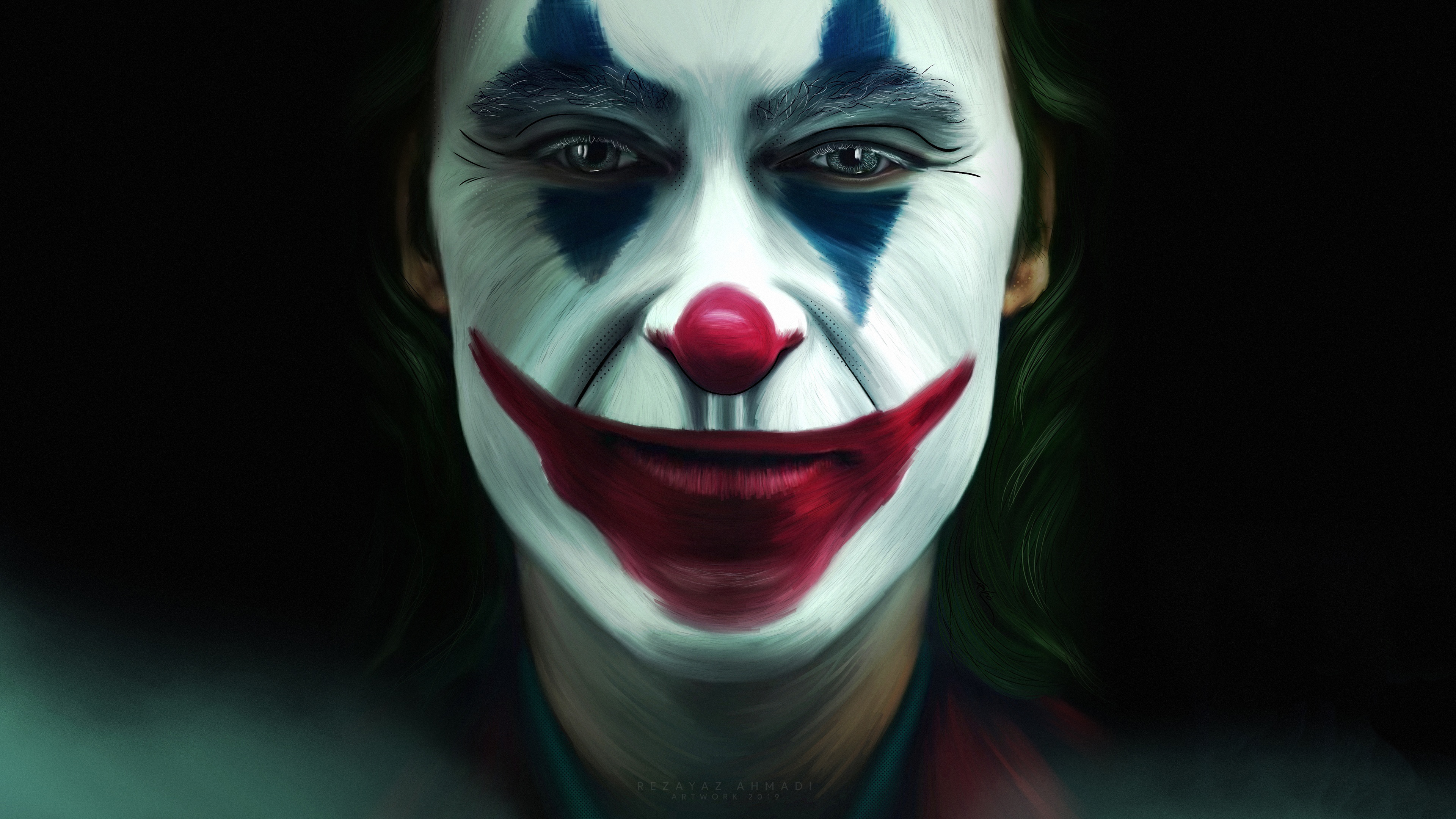
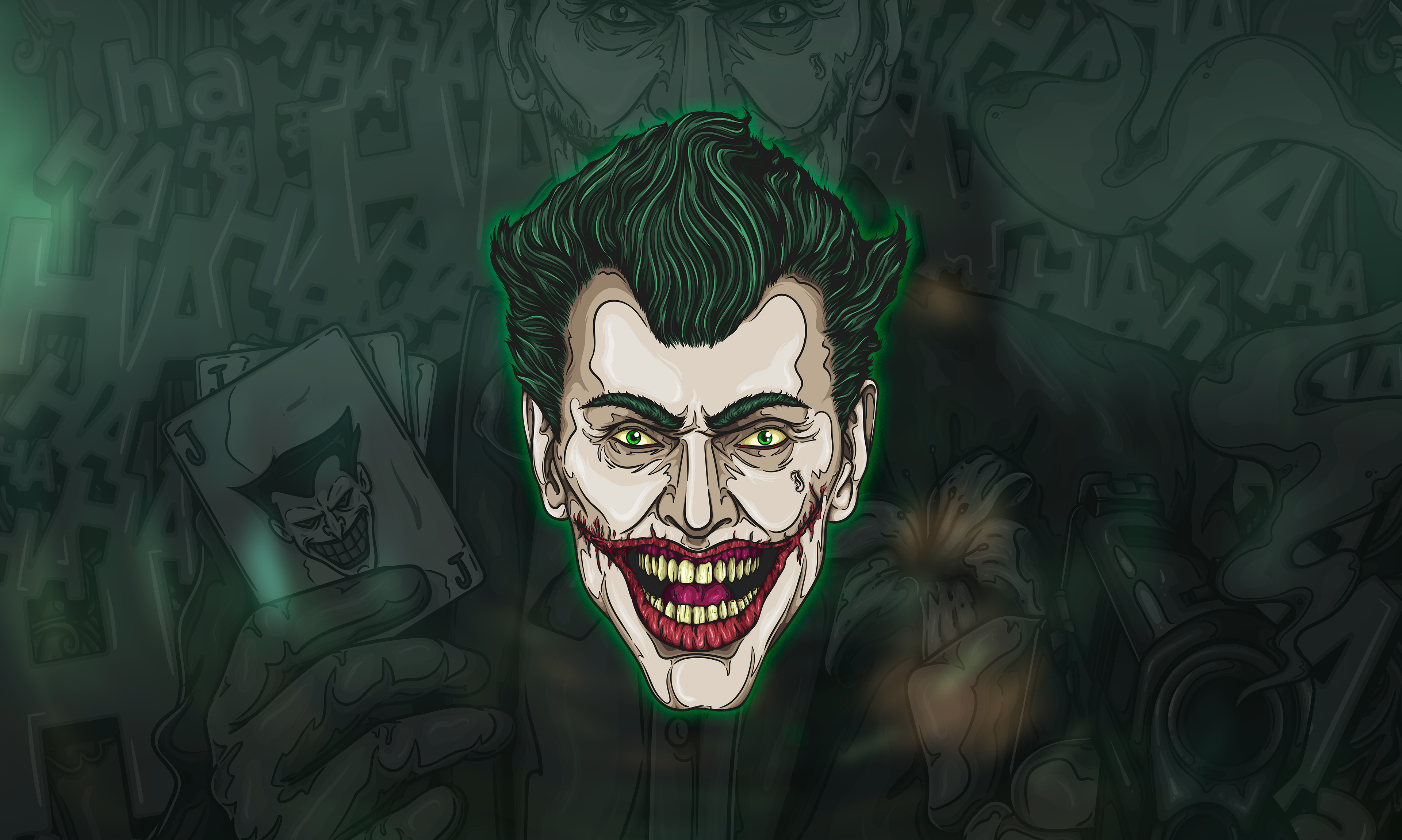
Grinning Joker Face: Hilarious Photos & Memes
What is the significance of a particular facial expression associated with comedic characters? A specific facial configuration, often exaggerated and unconventional, can be instrumental in conveying humor and creating memorable comedic figures.
This expression, frequently employed in popular culture, involves a unique combination of features, including a mischievous or playful slant of the eyes, a slightly downturned or open mouth, and often a raised eyebrow or cheek. The key is the exaggeration of these features, creating a visual representation of comedic intent. For example, characters in cartoons, films, and theatrical productions may use such a facial configuration to convey playful or trickster-like intentions. The specific details of this facial expression vary depending on the intended comedic effect.
The use of this expression enhances comedic impact. The deliberate distortion of standard facial features draws attention, creating a visual cue that immediately signals humor. This heightened visibility has a strong impact on audience engagement and understanding, particularly in situations involving fast-paced dialogue or complex situations. The expression's recurring use in various forms of entertainment reinforces its cultural significance, as audiences readily recognize and respond to this expression's inherent humor.
| Name | Occupation/Role | Notable Traits |
|---|---|---|
| Charlie Chaplin | Actor, comedian | Famous for his comedic character, often using physical expressions and a specific facial expression to achieve humor. |
| Stan Laurel | Comedian, actor (Laurel and Hardy) | Partner to Oliver Hardy; comedic timing and physical expression were key components of their performances. |
Moving forward, we will delve into the historical evolution and cultural impact of exaggerated facial expressions in comedic performances, exploring the interplay of visual cues and audience interpretation in creating humorous effects.
Joker Face
Understanding the "joker face" involves recognizing its multifaceted nature as a visual representation of comedic intent. The expressions effectiveness depends on clear articulation of various components.
- Facial features
- Exaggeration
- Emotional context
- Cultural recognition
- Comedic intent
- Performance
The "joker face" is more than just a collection of facial features. Exaggeration of features, like a wide grin or raised eyebrows, is crucial for immediate recognition. Emotional context clarifies intenta "joker face" expressing fear or surprise loses its comedic element. Cultural recognition is vital; certain expressions might not elicit the same response across cultures. The expression must be a deliberate performancea nuanced use in specific situations is critical to humor. The comedic intent of the expression is paramount: a joker face is effectively communicated through clear and consistent use. For instance, Charlie Chaplins "little tramp" character relied heavily on his unique "joker face" for memorable comedic impact.
1. Facial Features
Facial features play a critical role in conveying the "joker face." The deliberate shaping and exaggeration of specific elements create a distinctive visual cue associated with comedic intent and character portrayal. These features must be carefully chosen and employed to generate a specific comedic effect. The effectiveness of the "joker face" relies heavily on the nuanced manipulation of these components.
- Eyes
The eyes are often a focal point of the "joker face," conveying mischief, amusement, or cunning. A wide-eyed stare, a squint, or a playful glint can communicate various comedic tones. The expression of the eyes is paramount. For example, a sly, upward glance can signify trickery, whereas wide, innocent eyes can suggest surprise or confusion, all used in various comedic contexts.
- Mouth
The mouth's configuration is another significant element. A wide grin, a sly smirk, or a slightly downturned mouth can all contribute to the "joker face." The mouth's shape and movement directly correlate with the expressed emotion and add further depth to the comic character's personality and intentions. This can range from the open-mouthed expression of surprise to the playful smirk of a mischievous character.
- Brows and Forehead
Brows and forehead expressions contribute to the overall "joker face." A raised eyebrow can signal suspicion, confusion, or playful intent. A furrowed brow might convey a deceptive moment, enhancing the comedic effect. The way these features are manipulated is vital in expressing the character's emotional state, thereby enhancing the comedic effect.
- Overall Configuration
The overall arrangement of facial features is crucial. The "joker face" isn't simply a combination of exaggerated individual elements; it's a cohesive configuration. The positioning and interaction of eyes, mouth, and brows create a distinctive visual image. This unified configuration contributes significantly to immediate recognition and establishes the character's humorous persona.
Ultimately, a compelling "joker face" relies on strategic manipulation of facial features. The purposeful exaggeration of these elements, when effectively employed, results in a visual representation of comedic intent that is instantly understood by the audience. Recognition of these components is critical to appreciating and understanding the comedic effect of these visual cues.
2. Exaggeration
Exaggeration is intrinsic to the "joker face." Its role in comedic portrayal is not merely embellishment but a crucial element in conveying humor. This deliberate overstatement of facial features and expressions creates a readily identifiable visual cue, signaling comedic intent to the audience. The degree and type of exaggeration significantly affect the comedic effect.
- Visual Cues and Recognition
Exaggerated facial features instantly grab the viewer's attention. A wide, almost unnatural grin, a dramatic squint, or raised eyebrows beyond a typical expression are clear indicators of the character's intention to be humorous. This heightened visibility facilitates rapid audience comprehension. The distinctive nature of the exaggeration differentiates the "joker face" from conventional expressions, immediately signaling a comedic context.
- Emotional Amplification
Exaggeration amplifies the intended emotion behind the expression. A slight frown, exaggerated, becomes a gesture of displeasure or cynicism. A typical smile, intensified, transforms into a broader display of joy or triumph. This magnified emotional range facilitates a more pronounced comedic response. The audience readily connects the exaggerated expressions to the corresponding heightened emotional state.
- Character Differentiation
The level of exaggeration defines the character. A subtle, playful "joker face" might indicate a mischievous trickster, while a more pronounced "joker face" could suggest a buffoonish or absurd character. The degree of exaggeration is crucial in distinguishing one comedic character from another, establishing their unique personalities and contributing to the overall comedic narrative.
- Cultural Context and Adaptation
While exaggeration is a universal comedic tool, specific degrees and forms of exaggeration can vary culturally. Understanding the intended audience and the cultural context is important in employing exaggeration effectively. In some cultures, a particular facial contortion might hold a different meaning, potentially diminishing the humorous effect or altering the character's interpretation. Sensitivity to cultural nuances is critical for appropriate exaggeration.
In conclusion, exaggeration is not merely a stylistic choice but a fundamental component of the "joker face." The deliberate overstatement of facial features and expressions establishes immediate visual cues for the audience. This heightened visual communication and emotional amplification contribute significantly to the character's comedic identity. Successful utilization of exaggeration hinges on the consideration of visual impact, emotional context, character differentiation, and cultural awareness.
3. Emotional Context
The emotional context surrounding a "joker face" is fundamental to its interpretation and effectiveness. A facial expression, no matter how exaggerated, devoid of a corresponding emotional underpinning, risks losing its comedic impact. The expression becomes merely a caricature, lacking the nuanced connection that engenders laughter. This emotional grounding is essential for audience engagement. For example, a wide, grinning "joker face" is more than just a wide mouth; it conveys joy, amusement, or triumph. A grimacing "joker face," however, requires the emotional context of suffering or pain to function comedically. This nuance is vital.
The specific emotion conveyed shapes the audience's interpretation. A playful "joker face" suggests lightheartedness and a desire to amuse. An angry "joker face" evokes a different response, prompting an understanding of conflict or frustration. Humor often stems from the unexpected juxtaposition of an exaggerated expression and an underlying emotion. A character appearing distressed yet sporting a "joker face" can provoke amusement. This incongruity generates comedic effect. The ability to identify and correctly interpret these complex connections in a "joker face" is crucial for understanding comedic intent, particularly in situations involving irony, sarcasm, or satire. Real-world examples such as slapstick comedy or satire in political cartoons rely heavily on the interplay between facial expression and emotional context to create humor.
Understanding the emotional context associated with a "joker face" provides a deeper appreciation for comedic performance. Recognizing the emotional undercurrent allows for a more nuanced interpretation of the character's intentions, motivations, and overall role within a narrative. The interplay between facial expression and emotional context profoundly impacts the audience's emotional response. A well-executed "joker face" will evoke a particular emotional reaction in the viewer, based on the intended underlying emotion. Failing to acknowledge this crucial connection undermines the intended comedic effect. The ability to identify and connect emotional context with "joker face" expressions is a key component of interpreting humor effectively across various media.
4. Cultural Recognition
Cultural recognition plays a critical role in the effective use and understanding of a "joker face." Facial expressions, particularly those exaggerated for comedic effect, are not universally interpreted. Understanding how diverse cultures perceive and respond to such visual cues is essential to avoid misinterpretations and ensure successful comedic delivery. The cultural context heavily influences the meaning and impact of any exaggerated facial expression, thereby shaping the "joker face" in relation to a specific audience.
- Interpretations of Facial Expressions
Different cultures may ascribe varying emotions to similar facial configurations. A raised eyebrow, for instance, might signify skepticism in one culture but surprise in another. The nuances of expression, along with culturally specific interpretations of emotional signals, influence how the audience comprehends a "joker face." For instance, a facial expression deemed playful in one culture might be perceived as aggressive or rude in another. Understanding these nuances prevents unintended or problematic interpretations.
- Contextual Understanding of Humor
Cultural norms significantly influence humor. What constitutes humor in one culture may not be funny in another. A "joker face" reliant on culturally specific comedic elements might not resonate with audiences from different backgrounds. Cultural context significantly impacts the interpretation and reception of such humor. An understanding of the cultural context behind particular humor is crucial in achieving the desired comedic outcome.
- Adapting the "Joker Face" Across Cultures
To ensure success across cultures, the "joker face" must be adaptable. A nuanced approach is required, acknowledging differences in facial expression interpretations, comedic preferences, and cultural sensitivities. Carefully adapting the "joker face" to various cultural settings requires an understanding of societal norms and sensitivities. In this context, awareness of cultural appropriateness is paramount to successful comedic delivery.
- Facial Expression Standards
Different cultures have specific standards regarding the appropriateness of facial expressions. Some cultures might value subtlety in expressions, while others prioritize more dramatic displays. Adapting the "joker face" to match cultural expectations is crucial in avoiding offense or misinterpretation. A thorough understanding of facial expression norms in different cultural contexts is essential in achieving the desired comedic effect without causing offense.
Ultimately, effective use of a "joker face" hinges on a deep understanding of cultural recognition. The "joker face," far from being a universal comedic tool, necessitates sensitivity to cultural nuances and appropriate adaptations. By acknowledging and respecting cultural differences, the potential for a "joker face" to resonate with diverse audiences is significantly enhanced, thereby amplifying its effectiveness and impact.
5. Comedic Intent
Comedic intent is the crucial driving force behind a "joker face." It dictates the specific comedic effect sought. A "joker face," devoid of clear comedic intent, becomes merely an exaggerated facial expression without humor. The intended outcome, whether amusement, surprise, or satire, shapes the design and execution of the facial features. The "joker face" serves as a visual representation of this intent, communicating the character's comedic purpose to the audience.
The connection between comedic intent and the "joker face" is a crucial component for effective comedic delivery. Successful "joker faces" are intentionally crafted to convey specific comedic aims. A character's mischievous intent, for example, might be communicated through a subtle yet knowing "joker face," emphasizing a sense of playful trickery. Conversely, a "joker face" intended to evoke absurdity might rely on more pronounced and outlandish features, conveying an exaggerated quality. The specific comedic intent is the key; understanding this intent dictates the specific design of the "joker face." Examples range from Charlie Chaplin's "little tramp" character, whose "joker face" conveyed a specific brand of underdog humor, to the exaggerated expressions employed in slapstick comedy, conveying the physical absurdity and comedic chaos of the scene. A well-executed "joker face" directly serves the underlying comedic intent, ensuring the intended humorous response from the audience. Recognition of this cause-and-effect relationship allows for nuanced analysis of comedic performances. Poorly conceived "joker faces" often lack clear comedic intent, failing to effectively communicate to the audience. The performance becomes predictable and the humor diluted.
In essence, the "joker face" is an instrument for conveying comedic intent. The success of a comedic performance relies heavily on the alignment between the "joker face" and its intended comedic purpose. Failure to communicate clear comedic intent through the "joker face" significantly diminishes the comedic impact and weakens the overall effectiveness of the comedic performance. This understanding is fundamental for creators seeking to effectively utilize this tool in their comedic endeavors, enabling them to construct character, heighten humor, and engage an audience effectively. Therefore, appreciation of the connection between the "joker face" and comedic intent is paramount for both performers and audiences.
6. Performance
Effective portrayal of a "joker face" hinges significantly on the skill of the performer. The physical manifestation of this expression, though visually distinct, relies on skillful execution for maximum comedic impact. The performer's delivery, timing, and emotional conveyance significantly influence how the audience receives and interprets the expression. This section explores crucial facets of performance directly tied to the effectiveness of a "joker face."
- Timing and Delivery
Precise timing is paramount. A "joker face" held for too long can become static and lose its comedic edge; a fleeting expression might fail to register. The performer must master the rhythm of the performance, aligning the "joker face" with the narrative's comedic beats. Examples include the controlled pauses before a punchline, or the sudden shift in expression during a dramatic change in action. Successful comedic timing enhances the visual and emotional resonance of the "joker face." Conversely, poor timing can diminish the expression's effect.
- Physicality and Movement
The physical execution of the "joker face" is crucial. The performer's body language, gestures, and mannerisms surrounding the expression contribute to the character's overall portrayal. Movement can underscore the "joker face," amplifying the emotional impact. Consider how a performer might subtly adjust their posture, or add a quick, jerky movement during a sly "joker face" that heightens the mischievous quality. The overall physicality further defines and reinforces the intended comedic intent of the expression.
- Emotional Connection and Nuance
A performer's emotional investment is key. A genuine emotional connection to the character and their underlying intentions helps to convey complexity through the "joker face." A performer displaying genuine amusement behind a "joker face" communicating playful intent will likely achieve a greater comedic effect than a performer simply mechanically mimicking the expression. The performance should avoid appearing contrived or over-the-top, allowing the emotional truth to infuse the expression.
- Audience Engagement and Interpretation
The performer must anticipate audience reactions and adjust the "joker face" accordingly. An understanding of how the audience will perceive the expression enables the performer to modulate their performance to maintain audience engagement. Subtle shifts in the "joker face," in response to cues from the audience, can highlight a character's adaptability or reveal hidden motivations. Performance involves not only expressing the "joker face" but also responding to the audience's dynamic interpretation of the expression.
Ultimately, a successful performance intertwines physicality, emotional depth, and audience interaction to transform a "joker face" from a static image into a dynamic comedic tool. Careful execution in timing, physicality, emotional connection, and audience engagement is essential to optimizing the "joker face" as a visual cue that effectively conveys comedic intent and fosters audience laughter. This skillful interaction elevates the expression beyond mere caricature to a powerful element in the comedic performance.
Frequently Asked Questions about "Joker Face"
This section addresses common inquiries regarding the "joker face," a distinctive facial expression often employed for comedic effect in various forms of entertainment. These questions explore its nuances, application, and impact within a specific comedic context.
Question 1: What constitutes a "joker face"?
A "joker face" encompasses a specific configuration of exaggerated facial features, often used to portray comedic intent. This includes, but isn't limited to, exaggerated eyes, eyebrows, and mouth movements. The key characteristic is deliberate overstatement, designed to draw immediate attention and signal a humorous context. The precise features vary depending on the character, the specific comedic style, and the intended emotional response.
Question 2: How does the "joker face" relate to character portrayal?
The "joker face" is a crucial element in character development. The specific design of the expression contributes to a character's personality traits and comedic role within a narrative. A subtle "joker face" might suggest a mischievous character, while a more exaggerated one might portray a buffoonish or absurd figure. The expression serves as a visual shorthand, instantaneously conveying crucial character traits to the audience.
Question 3: What role does exaggeration play in the "joker face"?
Exaggeration is fundamental to the "joker face." Deliberately overstated features grab attention, instantly signaling a humorous context. This heightened visibility facilitates rapid comprehension of comedic intent. The degree of exaggeration is crucial; too subtle, and the expression might be overlooked; too extreme, and it might lose its comedic effect.
Question 4: How does cultural context influence the interpretation of a "joker face"?
Cultural norms influence how audiences perceive facial expressions, including exaggerated ones like the "joker face." Interpretations may differ across cultures; a particular expression might be humorous in one culture but offensive or inappropriate in another. Recognizing these nuanced cultural variations is essential for successful comedic communication. Considerations for cultural appropriateness must be made when utilizing the "joker face."
Question 5: What is the importance of timing and delivery in a "joker face"?
Effective performance of a "joker face" relies heavily on timing and delivery. The precision of timingwhen the expression is introduced, held, and releasedis critical to maximizing comedic impact. In conjunction with this timing, subtle physicality, emotional nuance, and audience engagement all contribute to the effective use of this expression. The performance must effectively integrate the "joker face" into the flow of the narrative.
Understanding the elements of a "joker face"the expression itself, its exaggerated features, the comedic intent, cultural implications, and masterful performanceprovides a deeper appreciation for the nuanced nature of comedic expression and enhances appreciation for the performer's craft.
Moving forward, let's examine the historical evolution and cultural impact of this expression, delving into examples and their enduring influence.
Conclusion
The "joker face," a recurring motif in comedic performances across diverse media, transcends a simple facial expression. It represents a sophisticated interplay of exaggerated features, emotional context, cultural understanding, and skillful performance. The study reveals that successful comedic use of this expression hinges on several critical factors. Exaggeration is essential to draw immediate attention and clearly signal the intended humorous intent, yet this exaggeration must be precisely calibrated to resonate effectively with a given audience. Underlying emotional context, often incongruous with the visual presentation, is a vital component. Finally, cultural sensitivity is crucial, as interpretations of facial expressions vary significantly across cultures. The skill of the performer in crafting the "joker face" is equally critical, requiring precise timing, nuanced physicality, and emotional authenticity to translate the expression into a meaningful and impactful comedic tool. Understanding these interacting factors provides a deeper appreciation for this powerful comedic device.
The exploration of the "joker face" illuminates the complex interplay between visual communication, cultural understanding, and comedic intent. The enduring appeal of this expressive tool underscores its ability to transcend cultural boundaries and connect with audiences on a profound level. Further investigation into the evolution and adaptation of this expressive technique across historical periods and diverse cultural contexts offers valuable insights into the enduring human capacity for humor and the diverse ways in which that capacity is expressed through visual communication. By examining specific historical examples, researchers and practitioners can uncover further insights into this evolving comedic language. The study of the "joker face" ultimately points to the importance of recognizing the nuanced interplay of elements that contribute to effective comedic expression.