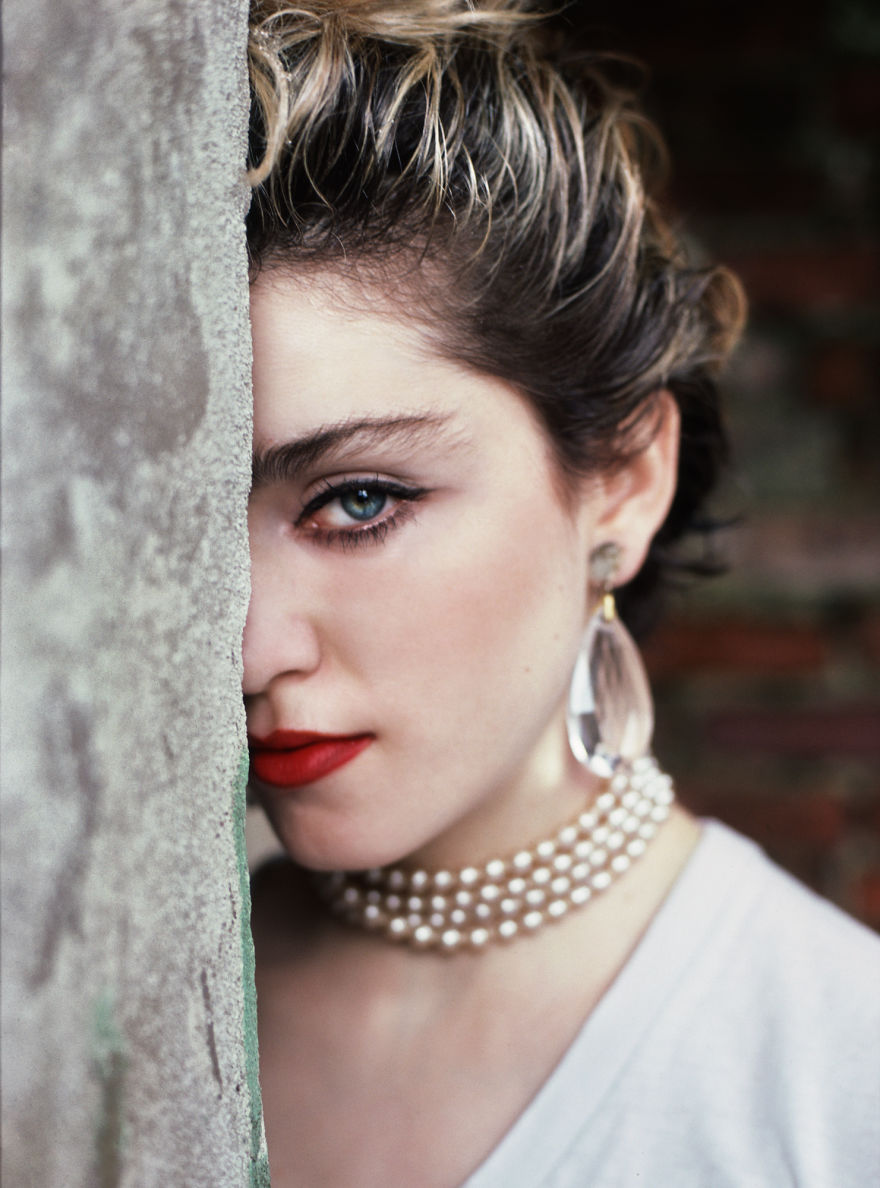
Madonna: Before The Fame - Early Life & Career Beginnings
Before achieving global icon status, what shaped Madonna's artistic identity? Understanding the formative years illuminates the trajectory of a complex and influential career.
The period preceding Madonna's widespread recognition was crucial in establishing the artist's distinct style and approach. This formative phase witnessed the development of her artistic vision, her engagement with musical and dance genres, and the early stages of her persona. Examples include her early forays into the New York City music scene and her experiences as a young artist navigating the challenges of the music industry. This period set the stage for the evolution of her unique creative voice.
Examining this pre-fame period offers critical insights into the development of an artist's identity and the forces that shape their trajectory. This investigation reveals the pivotal moments and influences that propelled an artist to prominence. Furthermore, understanding the earlier years provides context for appreciating her subsequent evolution and enduring impact on music, dance, and popular culture. Her pre-fame influences demonstrate how initial experiences and creative choices set the stage for future success, laying the foundation for a lasting legacy.
| Detail | Information |
|---|---|
| Birthdate | August 16, 1958 |
| Birthplace | Bay City, Michigan |
| Early Influences | Diverse musical styles, including pop, rock, and dance |
| Education | University of Michigan (briefly) |
| Early Career | Background in dance, early performance experience in New York |
This exploration provides a foundation for delving into Madonna's subsequent career, her evolution as an artist, and the impact she's had on the entertainment world. Understanding her earlier work helps contextualize her later success and legacy.
Madonna Before Fame
Understanding Madonna's pre-fame period is essential to comprehending the evolution of her artistic persona and the trajectory of her career. This phase laid the groundwork for the iconic artist she became.
- Early influences
- New York City scene
- Dance background
- Early musical styles
- Independent spirit
- Artist development
Madonna's early influences encompassed various musical styles. Her immersion in the vibrant New York City music scene fostered her artistic development. A strong dance background further shaped her performance style. Early explorations of musical genres, like pop and rock, proved vital to defining her evolving approach. An independent spirit, evident in her artistic choices, underscored her determination. This period served as a crucial foundation for her distinctive creative voice. Ultimately, her experiences before mainstream recognition demonstrated her dedication to the artistic process, laying the groundwork for her subsequent impact and evolution.
1. Early Influences
Early influences played a pivotal role in shaping Madonna's artistic development prior to achieving widespread fame. Understanding these foundational elements illuminates the trajectory of her career and the evolution of her distinctive artistic voice.
- Musical Diversity
Exposure to diverse musical genres during formative yearsfrom pop and rock to dance and other formsprovided a rich tapestry of inspiration. This multifaceted approach to music became a cornerstone of her later sound. Observing emerging artists and styles offered her a comprehensive perspective, influencing her creative choices. This early exposure arguably facilitated her willingness to experiment and innovate later in her career.
- Dance Background and Movement
A strong dance background profoundly shaped Madonna's performance style and physicality. This foundation allowed for the development of compelling stage presence and the incorporation of dance into her music videos and performances. The influence of dance, and the ability to convey meaning through movement, contributed to her unique approach to artistic expression.
- New York City's Artistic Environment
The artistic environment of New York City during this period provided a fertile ground for artistic growth. The city's diverse cultural landscapeincluding the burgeoning music and art scenesprovided inspiration and stimulation. Exposure to other artists and creative energy enriched her artistic development, molding her perspectives on art, performance, and music.
- Early Role Models and Mentors
Potential mentors and role models during this phaseartists or figures in music, theater, or other creative fieldsmay have profoundly shaped her vision and approach. This influence might manifest in specific aesthetic choices, performance techniques, or her overall artistic approach. Early interactions and influences may have shaped Madonna's artistic goals and development.
In essence, Madonna's early influences formed a bedrock of her artistic development. These factors contributed to her ability to explore diverse musical styles, execute compelling performances, and ultimately shape her individual artistic vision, all of which were fundamental to her journey before and after achieving fame.
2. New York City Scene
The New York City music scene during Madonna's pre-fame years was instrumental in shaping her artistic trajectory. The city's vibrant and diverse artistic community, coupled with its entrepreneurial spirit, offered a unique environment for artistic development and experimentation. This environment played a key role in fostering Madonna's early artistic growth and provided an incubator for her future endeavors.
- Exposure to Diverse Musical Styles
New York City's eclectic musical landscape provided a rich tapestry of influences. The city housed a multitude of musical genres and subgenres, exposing Madonna to various sounds and artists. This early exposure to diverse influences arguably fostered an openness to experimentation and innovative musical approaches, later evident in her career.
- Opportunity for Networking and Collaboration
The concentrated nature of the New York City music scene facilitated networking and collaboration. Artists encountered each other, shared experiences, and collaborated on projects. These interactions likely played a role in the exchange of ideas and fostered an environment conducive to creative growth and artistic development.
- Access to Performance Opportunities
New York City presented numerous venues and performance opportunities for emerging artists. Access to these spaces proved critical in honing performance skills and establishing a presence in the music industry. Such experiences would have provided crucial practice and exposure.
- Challenges and Competition
The competitive environment of the New York City music scene provided impetus for improvement and innovation. Navigating the challenges posed by competition likely instilled resilience, perseverance, and a drive to stand out. This competitive pressure contributed to Madonna's determination and willingness to evolve artistically.
The New York City scene acted as a catalyst for Madonna's artistic development. Exposure to diverse sounds, opportunities for collaboration, performance venues, and competition within this unique environment fostered her distinctive style and helped her to establish her presence in the music industry. These experiences were crucial in shaping the artist who would later gain global recognition.
3. Dance Background
Madonna's dance background significantly impacted her development prior to achieving fame. This facet is crucial for understanding her artistic evolution and the foundation of her distinctive stage presence.
- Development of Performance Skills
Early dance training cultivated essential performance skills. These included body awareness, control, and expressiveness. These fundamentals became crucial components of her stage performances. Practice in dance techniques likely fostered the ability to translate emotion and narrative through physical movement, a skill evident in her later music videos and live shows.
- Physicality and Stage Presence
Dance training provided the physicality and control necessary to execute complex routines. This is evident in her energetic and dynamic performances. The discipline and precision learned through dance likely contributed to her ability to maintain captivating stage presence throughout her career.
- Exploration of Expression Through Movement
Dance training instilled an understanding of how to convey emotion and narrative through physical movement. This understanding was pivotal to translating themes from her music into engaging and emotionally resonant performances. A deep understanding of body language facilitated a powerful connection with the audience, essential to her later success.
- Musicality and Timing
The combination of dance and music demands precise timing and musicality. This integration is exemplified in her music videos. These videos often feature intricate choreographies that highlight this connection. The seamless integration of movement and music is a defining characteristic of her stage performances and a clear product of her dance background.
Madonna's early dance training was more than simply a skill set; it was a fundamental aspect of her artistic development. Her dance background served as a springboard for her evolution as a performer, and it's evident in her later success and enduring impact on music, dance, and popular culture. It provided the basis for her dynamic stage presence, allowing her to effectively connect with and engage her audience.
4. Early Musical Styles
The musical styles explored by Madonna during her pre-fame period were foundational to her subsequent career. These early explorations weren't merely passing trends; they served as a crucial component in shaping her distinct artistic voice and approach. Early exposure to diverse genres laid the groundwork for her willingness to experiment and innovate, a key characteristic that defined her later career.
Early forays into pop, rock, and dance music, often juxtaposed with other styles like punk, influenced her evolving aesthetic. These early musical choices were not isolated; they were part of a broader creative exploration of different genres and artists. Examples include the incorporation of elements from disco, funk, and even avant-garde music into her later works. The experimentation of her formative years cultivated an ability to synthesize influences into her signature sound. This process of integrating and reinterpreting diverse musical elements ultimately contributed to her distinct and recognizable style.
Understanding the relationship between early musical styles and Madonna's pre-fame period underscores the importance of experimentation and exposure to diverse musical influences. It reveals how early choices, while seemingly inconsequential at the time, contribute to the development of a unique and recognizable artistic identity. This understanding is valuable for appreciating the evolution of artists in general and the factors that lead to lasting impact in popular culture. It also highlights the significance of a supportive environment during formative artistic development, allowing for diverse exploration and creative risk-taking.
5. Independent Spirit
An independent spirit, a defining characteristic of Madonna's pre-fame years, manifested in a willingness to forge her own path, resist external pressures, and assert her creative vision. This characteristic played a pivotal role in shaping her subsequent career, influencing her decisions and fostering her distinctive persona.
- Rejection of Conformity
A significant facet of this independent spirit was a resistance to conforming to established norms and expectations. This was evident in her early musical choices, which diverged from popular trends. Such choices, while potentially met with opposition, ultimately enabled her to carve a unique musical space, marking a crucial stage in developing her persona. Examples of this include exploring diverse musical genres and pushing boundaries with her artistic expression.
- Embracing Individuality
This independent spirit fostered a strong sense of self and a refusal to be confined by societal expectations. This was evident in her fashion choices, her stage presence, and the way she presented herself publicly. This embracing of individuality laid the groundwork for the development of a powerful and recognizable icon. Her determination to create a unique and personal image was a core component of this independent spirit.
- Self-Assertion and Creative Control
The independent spirit underscored a commitment to asserting her creative control and decision-making in her music and performances. Examples of this include her involvement in every facet of her projects, from song selection to music videos and stage shows. This level of control allowed her to consistently shape her public image and ensure her artistic vision was implemented, which was vital to her development.
- Resilience in Face of Challenges
This independent spirit also manifested as resilience in the face of opposition or criticism. Challenges associated with breaking into the music industry, particularly for a woman in that era, would have been significant. This aspect of her independent spirit was crucial in enduring those challenges and pursuing her goals. An independent spirit can empower an individual to persevere through tough times in pursuit of their vision.
In conclusion, Madonna's independent spirit during her pre-fame years was instrumental in laying the foundation for her subsequent career. This unwavering belief in her vision and her own unique path propelled her evolution into a transformative force in popular culture. It was not merely a style; it was a driving force behind her artistic and personal development.
6. Artist Development
Artist development encompasses the multifaceted process of cultivating artistic skill, identity, and vision. For figures like Madonna, the pre-fame period represents a crucial stage in this process. The experiences and choices made during this time significantly shaped the artist's trajectory. Factors like early exposure to various musical genres, development of performance skills, and the cultivation of an independent artistic vision became fundamental in shaping Madonna's unique identity and approach.
The importance of artist development is underscored by its direct impact on artistic output. Madonna's pre-fame period, marked by immersion in the New York music scene and consistent honing of her dance skills, provided a foundation for her later stage performances and musical innovation. The development of a distinctive stage persona, a critical aspect of her success, likely originated from these formative years. Furthermore, the courage to embrace unconventional musical styles and express a unique artistic vision, present from her early career, laid the groundwork for her iconic status. By understanding artist development within the context of Madonna's pre-fame period, one can appreciate the nuanced interplay between early experiences and a sustained career.
The practical significance of understanding artist development, particularly within the context of pre-fame periods, lies in appreciating the intricate factors that contribute to an artist's success. This understanding extends beyond individual cases. By studying the formative years of artists, one can identify patterns and influences that can inform strategies for nurturing artistic talent. For instance, the identification of crucial pre-fame experiences, like intensive dance training or immersing oneself in a vibrant cultural hub, might serve as valuable guidance for aspiring artists. Examining the development of an artist's voice and style, as observed in Madonna's pre-fame period, offers insights for developing a cohesive artistic identity. In conclusion, studying artist development, especially during the pre-fame years, provides a comprehensive perspective on the factors contributing to lasting artistic impact and allows for the identification of potential strategies for fostering artistic growth.
Frequently Asked Questions
This section addresses common inquiries regarding Madonna's career prior to widespread recognition. These questions explore the formative influences and experiences that shaped her artistic development and ultimately, her iconic status.
Question 1: What were Madonna's earliest musical influences?
Madonna's early musical influences were diverse, encompassing pop, rock, and dance music. Exposure to these varied styles during her formative years likely contributed to her subsequent willingness to experiment and innovate, a crucial element in her artistic evolution.
Question 2: How did her dance background contribute to her artistry?
Her extensive dance training was instrumental in developing her performance skills, including physicality, control, and expressiveness. This background was critical to her energetic stage presence and the ability to convey emotions through movement, both crucial elements of her artistic identity.
Question 3: What role did the New York City music scene play in her development?
The New York City music scene provided a vibrant and diverse environment for artistic growth and experimentation. The scene fostered networking opportunities, exposure to diverse musical styles, and access to performance spaces, all contributing to her early development as an artist.
Question 4: How did Madonna's independent spirit manifest in her pre-fame years?
Madonna's independent spirit was evident in her willingness to defy conventional expectations. This included challenging societal norms through fashion, musical choices, and public persona, ultimately leading to a more self-assured and unique approach in her art and personal life.
Question 5: What was the significance of her early artistic explorations?
Her early explorations of diverse musical styles and artistic expressions were foundational to developing her unique voice and aesthetic. These explorations reflected a willingness to experiment, take creative risks, and ultimately forge a distinctive and enduring artistic identity.
In summary, Madonna's pre-fame period was a critical phase in her artistic development. Her diverse musical and dance background, exposure to the vibrant New York music scene, and independent spirit all played crucial roles in shaping her trajectory towards becoming a global icon.
These insights set the stage for exploring Madonna's subsequent career and legacy.
Conclusion
The period preceding Madonna's ascent to global stardom was a crucial formative phase. This analysis has explored the key elements shaping her artistic evolution, from early musical influences and dance training to the impact of the New York City music scene. The development of a distinctive artistic identity, characterized by a willingness to challenge conventions and explore diverse genres, was evident in her pre-fame years. These early experiences laid the foundation for her later success and enduring legacy.
Examining Madonna's pre-fame period provides a nuanced perspective on the multifaceted factors influencing an artist's trajectory. This exploration underscores the importance of early influences, diverse experiences, and the courage to pursue a unique artistic vision. Understanding these elements not only illuminates Madonna's journey but also offers insight into the broader process of artistic development and the forces that shape iconic figures in popular culture.