Stan Gravity Falls: The Ultimate Guide
What makes this character so intriguing and memorable? A deep dive into a captivating fictional antagonist.
This character, a prominent figure in the animated series, embodies a specific type of antagonist. Known for their relentless pursuit of a particular objective, the character's methods and motivations are central to the narrative. Their actions often lead to significant conflicts and crises within the show's world, contributing directly to plot progression.
The character's impact extends beyond plot mechanics; they function as a potent source of dramatic tension and thematic exploration. The character's actions spark crucial questions about morality, ambition, and the consequences of unchecked desires. Their presence forces the protagonists to confront their own shortcomings and moral compass, thereby enriching the narrative experience for viewers. This character's development over the course of the series also adds complexity, demonstrating growth and evolution, or perhaps, a lack thereof.
Let's now delve into the specific narrative arcs and episode-by-episode impact of this compelling character, exploring their evolving role and the broader thematic implications for the entire series.
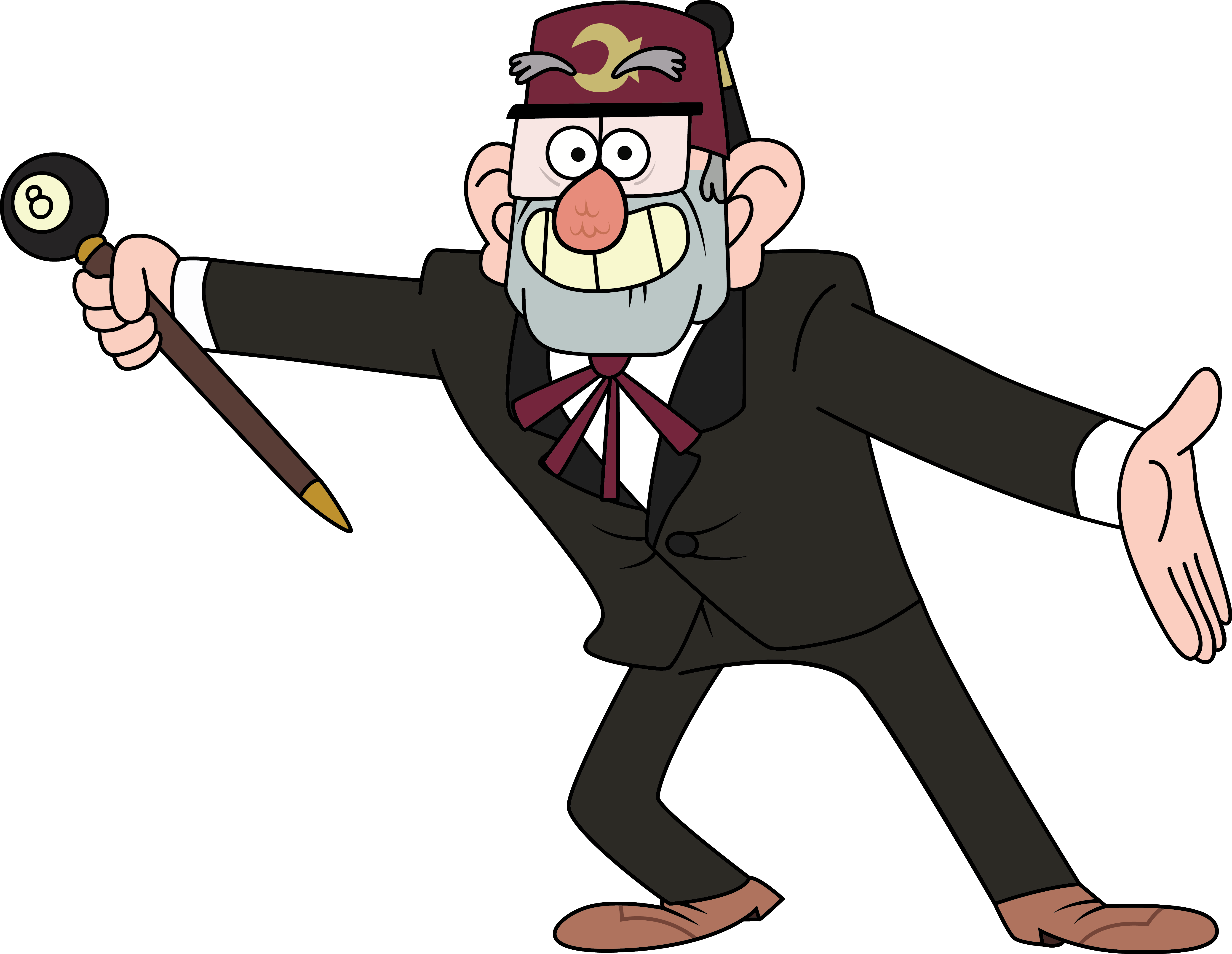
Stan Pines
Understanding Stan Pines requires examining key facets of his character, from his motivations to his impact on the narrative. This approach elucidates his significance within the "Gravity Falls" universe.
- Resourcefulness
- Self-interest
- Curiosity
- Obsession
- Foolishness
- Humor
- Growth
- Relationships
Stan's resourcefulness drives his schemes, often failing spectacularly. His self-interest underpins his actions, though not necessarily in a negative light. His curiosity fuels his attempts to unearth secrets, often leading him into peculiar situations. Obsession with collecting influences his decisions. At times, his foolishness provides humor. Underlying this is often an element of warmth, displayed through his occasional displays of humor. His development showcases a character arc. Crucially, relationships with other characters shape his growth and interactions. Taken together, these facets paint a complex picture, highlighting Stan as a compelling character with varied motivations and a significant impact on the narrative's trajectory, showcasing the depths of the fictional universe.
1. Resourcefulness
Stan Pines's resourcefulness is a defining trait, deeply interwoven with the character's motivations and actions within the "Gravity Falls" narrative. This trait manifests in his relentless pursuit of valuable items, often through inventive, and sometimes misguided, schemes. It drives his interactions with the wider world of the show, influencing his relationships, his conflicts, and the progression of the plot. The degree of resourcefulness is a driving factor in his successes and failures.
The character's resourcefulness is often displayed through a series of calculated and creative problem-solving attempts. This includes improvisational approaches to acquiring desired items, whether through charming people, leveraging their knowledge, or engineering makeshift solutions. The characteristic is essential for the character's survival and progression within the fictional world; it allows him to navigate unpredictable events, face challenges head-on, and interact with a diverse cast of characters. This resourcefulness, even when seemingly misplaced, is a critical component of his character arc, contributing to the narrative's overall complexity and appeal. For example, his relentless pursuit of mysterious artifacts often triggers a chain of events that unravel the secrets of Gravity Falls. The character's ingenuity, while often flawed, underlines the interconnectedness of the narrative.
In conclusion, resourcefulness in Stan Pines is not simply a character trait; it's a crucial element propelling the narrative forward. It underscores the character's determination and ingenuity. The practical implications of recognizing this trait within the context of the show extend to appreciating the multifaceted nature of the characters and plot, highlighting the show's overall strength and complexity. Understanding the role resourcefulness plays in shaping Stan's actions and decisions provides valuable insights into the narrative's structure and thematic depth.
2. Self-interest
Self-interest, a fundamental human drive, significantly shapes Stan Pines's actions and choices in the narrative of Gravity Falls. Examining this motivation reveals crucial insights into his character, motivations, and the narrative's intricate design.
- Motivating Factor
Stan's pursuit of valuable items, often through elaborate and sometimes unsuccessful schemes, is directly driven by self-interest. This self-interest is not necessarily malicious but is a core aspect of his personality, impacting his interactions and the narrative's progression. His desire for personal gain underpins his quest for hidden treasures and artifacts, shaping his approach to challenges and conflicts.
- Influence on Relationships
The character's self-interest influences his relationships with others. This can range from subtle manipulation to overt exploitation. His interactions with other characters, like Dipper and Mabel, are frequently interwoven with his desire to achieve his objectives. This drive can either strengthen or strain relationships, depending on the specific situation and the perceived gain.
- Conflict and Resolution
Stan's self-interest directly impacts the conflicts within the narrative. His desire for the items and knowledge he seeks often places him at odds with other characters or the circumstances of the story. Resolving these conflicts, or his failures to resolve them, ultimately reflects the impact of his self-interest on the narrative's trajectory. The outcomes of these conflicts often have repercussions that reverberate throughout the narrative, and his self-interest is a major contributing factor.
- Moral Ambiguity
Stan's self-interest, while a primary motivator, is not solely positive or negative. His actions frequently present moral ambiguities. Whether these actions are justified or not is a subject for viewers to debate. Understanding Stan's self-interest allows for a more profound appreciation of the narrative's complex portrayal of human nature and the subtle ethical dimensions of the show's world.
In conclusion, Stan Pines's self-interest serves as a crucial element in "Gravity Falls," influencing his motivations, interactions, and the unfolding narrative. This trait adds depth to the character and fosters an engaging exploration of human desire and ambition. It is not solely presented as a negative aspect, but is a central aspect of the compelling character and the complex world he inhabits.
3. Curiosity
Curiosity, a fundamental human drive, is a significant aspect of Stan Pines's character in Gravity Falls. This innate desire to explore the unknown fuels his actions, impacting his interactions with others and the unfolding narrative. Examining its multifaceted role provides a deeper understanding of Stan's motivations and the overall narrative's structure.
- Driving Force Behind Schemes
Stan's insatiable curiosity often acts as the catalyst for his schemes. His desire to uncover hidden secrets and acquire valuable artifacts directly stems from this fundamental drive. This exploration extends beyond mere entertainment; it reveals a deeper fascination with the unknown, shaping his interactions and impacting the narrative's progression. His constant pursuit of the mysterious shapes his relationships, driving conflicts, and creating the narrative's unique dynamic.
- Source of Conflict and Resolution
Curiosity can be a source of conflict for Stan. His relentless pursuit of knowledge sometimes leads him into perilous situations or strained relationships. His schemes often result in unexpected consequences, highlighting the potential dangers inherent in unchecked curiosity. Yet, curiosity also becomes a driving force for resolution. His inquiries often lead to the discovery of truths, unlocking hidden narratives and facilitating plot progression. These discoveries, while sometimes accidental, are intrinsically connected to his drive to understand the unknown.
- Influence on Relationships
Stan's curiosity significantly influences his interactions with other characters. His inquiries, whether directed at Dipper, Mabel, or other figures in Gravity Falls, shape the narrative's dynamic. It creates an interconnected network of relationships, with each character's curiosity intertwined with Stan's, leading to collaborative exploration or conflicting perspectives. Understanding this aspect of the character enriches the emotional core of the series.
- Thematic Exploration of Knowledge and Discovery
Curiosity in Stan Pines serves as a recurring thematic element. The show explores the rewards and potential pitfalls of seeking knowledge and understanding. Stan's journey embodies the exploration of a world teeming with mystery. The impact of his inquiries on the environment and relationships underscores the series' deeper exploration of knowledge, discovery, and the complexities of the human condition.
In conclusion, Stan Pines's curiosity is not merely a personality trait but a vital component of the narrative. It shapes his actions, influences his relationships, and drives the overall plot structure. Understanding this key aspect provides valuable insights into the intricacies of the character and the thematic depth of the show. This insatiable drive for knowledge acts as a crucial driving force, setting the stage for intriguing conflicts, captivating discoveries, and the series' overarching narrative.
4. Obsession
Obsession, a relentless focus on a particular object or idea, is a defining characteristic of Stan Pines. This trait significantly influences his actions and interactions within the "Gravity Falls" narrative. Examining its manifestations reveals critical insights into the character and the overall narrative structure. The intensity of this focus often leads to consequences, both positive and negative, highlighting the complexities of human motivation.
- Driven Pursuit of Collectibles
Stan's obsession with collecting is a primary driving force. This relentless pursuit of artifacts and treasures fuels his schemes and activities. The intensity of this desire shapes his interactions with others, often leading to conflicts and compromises. Instances of this obsession highlight a specific kind of driven behavior, creating a constant tension between his ambitions and the realities of his environment. The sheer magnitude of his collection-related pursuits demonstrates a particular strain of focused energy. This singular focus directly shapes the narratives and contributes to the character's unique identity.
- Impact on Relationships
Stan's obsession directly impacts his relationships. His intense focus on acquiring items can strain bonds with other characters, particularly when his pursuit jeopardizes their well-being or interests. This obsession highlights the potential for negative consequences when personal desires overshadow consideration for others. This creates a narrative tension and often contributes to the comedic or dramatic elements of the show. The centrality of this interaction emphasizes the character's significant presence within the Gravity Falls community.
- Unforeseen Consequences
The obsession often leads to unforeseen consequences. Stan's pursuit of particular objects or knowledge frequently generates unintended results. These repercussions demonstrate the complex and unpredictable nature of obsession. His actions highlight the potential for both success and failure, showing how unwavering focus can lead to unexpected outcomes. This contributes to the show's thematic exploration of ambition and its potential pitfalls.
- Thematic Exploration of Drive and Limits
Stan's obsession serves as a lens through which the show explores the nature of human drive and the potential limitations of unchecked ambition. The consequences of his actions illuminate the importance of balancing personal desires with societal norms and interpersonal relationships. This highlights the fundamental human dilemma of prioritizing one's objectives without losing sight of the impact on others. The multifaceted nature of this trait showcases a strong focus on a critical aspect of the human condition.
In conclusion, Stan Pines's obsession is not merely a quirky characteristic; it's a significant driver of the narrative. The character's unwavering focus on collecting and understanding the unknown illustrates the complexities of human motivation. His unwavering dedication, while often misguided, adds depth to the character and enriches the overall narrative of Gravity Falls. It underscores the show's exploration of human desire and its potential outcomes, adding an intricate layer to the character's arc and the show's thematic exploration of the human condition.
5. Foolishness
Stan Pines's "foolishness" is not merely a comedic element in "Gravity Falls"; it's a crucial component of his character arc. Examining this aspect reveals the nuances of his motivations and the overall narrative's complexities. His often-erroneous decisions and impulsive actions contribute significantly to plot development, reflecting the potential pitfalls of ambition and the importance of self-awareness within the fictional world.
- Impulsive Actions and Poor Judgment
Stan's propensity for impulsive actions and questionable judgment frequently leads him into comical predicaments. These actions, often driven by a desire to acquire treasures or solve mysteries, frequently misfire. These mishaps serve as comedic relief, yet also highlight the consequences of unchecked ambition and a tendency to prioritize personal gain over strategic planning. Examples include his desperate attempts to outwit traps or his hasty decisions based on limited information. This inherent tendency demonstrates a pattern of behavior, impacting his relationships and the narrative's trajectory. These episodes expose the inherent risks associated with impulsive choices, a key element within the story.
- Misunderstanding of Circumstances
Stan frequently misunderstands the nuances of situations. This naivet, while comical, also underscores the character's limited perspective. His actions often stem from a lack of insight or a misinterpretation of subtle cues. This misinterpretation further highlights the complexity of the characters and their interactions. These instances underscore the importance of careful observation and sound judgment in various situations. Examples showcasing this facet range from misinterpreting clues to misjudging others' intentions.
- Exposing Underlying Flaws
Stan's "foolishness" serves as a comedic foil, highlighting subtle flaws within his character. This often leads to relatable or humorous situations, highlighting aspects of his personality that might otherwise remain obscured. His lack of foresight and common sense are not presented as weaknesses; rather, they underscore his humanity and contribute to the overall charm of the character. This facet contributes significantly to the show's multifaceted approach to character development and narrative exploration.
- Narrative Catalyst and Plot Progression
Stan's foolish actions frequently serve as a catalyst for the plot's progression. His missteps create opportunities for growth and learning, not only for the character himself but also for other characters. These misadventures often lead to unexpected discoveries and narrative twists, highlighting the unpredictability of the narrative itself. The comedic value of these occurrences becomes a driver for the plot itself, demonstrating the significant role foolish choices play in the narrative arc.
In essence, Stan Pines's "foolishness" is not a weakness but a vital part of his character and the narrative structure of "Gravity Falls." It creates humor, highlights the character's vulnerabilities, and serves as a crucial plot device, ultimately contributing to the show's unique blend of humor, mystery, and character development.
6. Humor
The comedic elements in "Gravity Falls," particularly as exemplified by Stan Pines, function beyond simple entertainment. Analyzing the humor employed reveals insights into character dynamics, narrative structure, and thematic development. The choice and deployment of comedic devices contribute significantly to the overall impact of the series.
- Situational Comedy
The show frequently employs situational humor, arising from incongruities and absurd situations. Stan's often-misguided schemes, combined with the unexpected outcomes, create instances of situational comedy. These moments derive their humor from the contrast between Stan's intentions and the consequences. This comedic strategy reinforces the narrative's unique blend of mystery and absurdity, particularly highlighting the mishaps and incongruities central to Stan's character.
- Character-Based Humor
Stan's character traits, including his resourcefulness, self-interest, and occasionally foolish actions, are pivotal comedic elements. His inherent quirks and idiosyncrasies, when presented in specific scenarios, generate humor. The humor arises from recognizing the exaggeration and over-the-top nature of his actions, creating a relatable and comical tension within the narrative. This humor highlights the character's multifaceted nature.
- Dialogue-Driven Humor
Dialogue, particularly Stan's interactions with other characters, frequently provides comedic moments. The humor often stems from unexpected phrasing, witty remarks, or the contrasting personalities of the individuals involved. This type of humor contributes to the show's dynamic, fostering a deeper understanding of Stan's persona and his relationships with others. The comedic effect is amplified through the interplay of characters' responses and reactions.
- Narrative Incongruity
The humor in "Gravity Falls" is also driven by incongruity between the mundane and the fantastical. This is prominently seen in Stan's attempts to exploit the supernatural or unusual circumstances in Gravity Falls. The humor emerges from the juxtaposition of expected normalcy with the unexpected and the surreal. This comedic approach directly aligns with the show's core themes and enhances the overall atmosphere of the narrative.
In conclusion, the humor in "Gravity Falls," particularly as embodied by Stan Pines, is not merely supplementary but integral to the narrative's fabric. The various comedic approachessituational, character-driven, dialogue-focused, and narrative incongruitiesenhance the characterization of Stan, contribute to the overall atmosphere of the series, and enrich the viewer's engagement with the narrative's complexities. The use of humor in the show underscores its unique blend of mystery, wonder, and absurdity.
7. Growth
Stan Pines's development in "Gravity Falls" exemplifies the multifaceted nature of growth. While not necessarily a linear progression of moral improvement, his character evolves through experiences, choices, and interactions. This evolution, though sometimes subtle, impacts the narrative's dynamics. The concept of growth in Stan's character is not confined to a single dimension. It encompasses adjustments in perspective, understanding, and behavior in response to both external challenges and internal reflections.
The character's initial focus on personal gain, evident in his relentless pursuit of collectibles, shifts subtly throughout the series. Interactions with Dipper and Mabel, along with encountering various mysteries and challenges, gradually broaden his horizons. These encounters provide opportunities for him to learn empathy, cooperation, and the value of shared experiences. The pivotal moments demonstrating growth often come from unexpected sources and less through overt moral epiphanies. Instead, they're subtle changes in attitude and decision-making, reflecting a deeper understanding of the community and his role within it. These shifts are integral to the overall narrative, showcasing the dynamic interplay between characters and the evolution of the overarching mystery.
The examination of Stan's growth within the context of "Gravity Falls" offers valuable insights into character development. It demonstrates that growth can manifest in diverse ways, from altering motivations to broadening perspectives. This exploration emphasizes the importance of understanding how personal evolution, while not always dramatic, can be a significant factor in plot development and character relationships. The series, through Stan's progression, reveals the complexity of human motivation and the subtle shifts that constitute true personal development. Further, appreciating the subtle ways in which characters grow within a narrative context can enhance the depth of audience engagement.
8. Relationships
Relationships significantly impact Stan Pines's character arc and the narrative trajectory in "Gravity Falls." Stan's interactions with Dipper, Mabel, and other characters in Gravity Falls are not merely peripheral but deeply interwoven with the central mysteries and challenges. These relationships, whether amicable or contentious, directly influence Stan's choices and actions, contributing to his development and the overall plot progression. Examining these connections reveals crucial insights into the character and the show's thematic depth.
Stan's relationship with Dipper, in particular, displays a complex dynamic. Dipper's inquisitive nature and youthful energy often challenge Stan's resourcefulness and pragmatic approach to problems. Dipper's observations, however, also often reveal hidden facets of Stan's past and motivations, inadvertently fostering growth and understanding. Conversely, Stan's role as a paternal figure influences Dipper's interactions with the fantastical world, offering a crucial guidance that shapes his understanding of the mysteries surrounding Gravity Falls. The often-strained yet ultimately supportive relationship between Stan and Dipper exemplifies the show's exploration of guidance, mentorship, and personal growth. Similar dynamics unfold in Stan's interactions with Mabel, whose playful nature and unconventional perspectives frequently force Stan to adapt his strategies and broaden his perspective. These relationships provide fertile ground for comedic relief, critical revelations, and character growth, impacting the plotline in significant ways.
Understanding these relationships within the context of "Gravity Falls" offers practical applications in narrative analysis. The intricate interplay between characters, motivated by and influenced by their relationships, creates a more profound and nuanced understanding of the plot. Examining how interpersonal dynamics shape characters, impact decisions, and propel the narrative enhances critical analysis and appreciation for the show's structure. The significance of these relationships transcends mere character interaction; they act as a cornerstone of the show's thematic exploration of family, friendship, and the human condition. Recognizing the impact of interpersonal dynamics is critical for a thorough appreciation of the narrative artistry and thematic richness in storytelling, applicable in various forms of narrative analysis.
Frequently Asked Questions about Stan Pines
This section addresses common inquiries regarding Stan Pines, a central figure in the animated series "Gravity Falls." These answers aim to provide clarity and context.
Question 1: What motivates Stan Pines's actions?
Stan Pines is primarily driven by self-interest, specifically his obsession with collecting unusual items. This motivation fuels his various schemes and interactions within the narrative. While seemingly driven by greed, compelling motivations like curiosity and a desire for the unknown also influence his choices.
Question 2: Is Stan Pines a good or bad character?
Stan's morality is complex and nuanced. His actions often prioritize personal gain, but his interactions and choices are not solely defined by self-interest. The character exhibits both positive and negative traits, making a simple categorization problematic.
Question 3: How does Stan's relationship with Dipper affect the narrative?
Stan's relationship with Dipper is a crucial dynamic. Dipper's inquisitive nature often challenges Stan's resourcefulness, but their interactions, even when strained, offer insights into the mysteries surrounding Gravity Falls. Dipper's observations often reveal hidden aspects of Stan's past or motivations. The relationship serves as a crucial plot device and contributes to character development.
Question 4: What role does Stan's "foolishness" play in the story?
Stan's perceived foolishness is not a weakness but a vital element in the narrative. His impulsive actions, poor judgment, and often-misguided approaches to problems frequently trigger comedic moments and plot progression. These instances reveal the character's complexities and contribute to the series' unique blend of humor and mystery.
Question 5: How does Stan's character evolve throughout the series?
Stan's development is not always linear or explicitly moral. Through experiences and interactions, Stan's approach to challenges and his understanding of the world evolve subtly. The series demonstrates a character capable of learning and growing, albeit in unconventional ways.
In summary, Stan Pines's character is a complex blend of motivations, flaws, and growth. These complexities are integral to the narrative appeal and overall message of "Gravity Falls."
Transitioning to the next section, we'll explore the broader themes of morality and mystery in the series.
Conclusion
This exploration of Stan Pines delves into the multifaceted nature of a seemingly simple character. The analysis reveals Stan as a complex figure driven by a mix of self-interest, curiosity, and a persistent desire for the unknown. Key aspects like resourcefulness, foolishness, and the impact of relationships are explored, highlighting how these elements shape Stan's actions and influence the narrative's progression. Stan's evolution, though not always linear, showcases a character capable of growth and adaptation, revealing a deeper understanding of the world surrounding him. The portrayal of Stan's motivations, both positive and negative, underscores the intricate nature of human drives and the interplay between individual desires and societal contexts.
Ultimately, Stan's character serves as a significant component in the overall narrative tapestry of "Gravity Falls." His presence, along with his often comedic yet profound actions, elevates the series beyond a simple mystery show. He contributes to the exploration of the fantastical and the mundane, the complexities of human relationships, and the enduring fascination with the unknown. Understanding Stan is integral to fully grasping the rich thematic depth of the series, recognizing him as more than just a supporting character, but a crucial narrative element whose evolution mirrors the narrative's own trajectory.
![Grunkle Stan Gravity Falls 3D model by mehanna [e6e6387] Sketchfab](https://media.sketchfab.com/models/e6e63874d2174f19ae8b3b6b3689f112/thumbnails/b0efb3b4bfd148839ac17b08f20f8dc4/3bfc7d7389414bdd84232467fbf69924.jpeg)