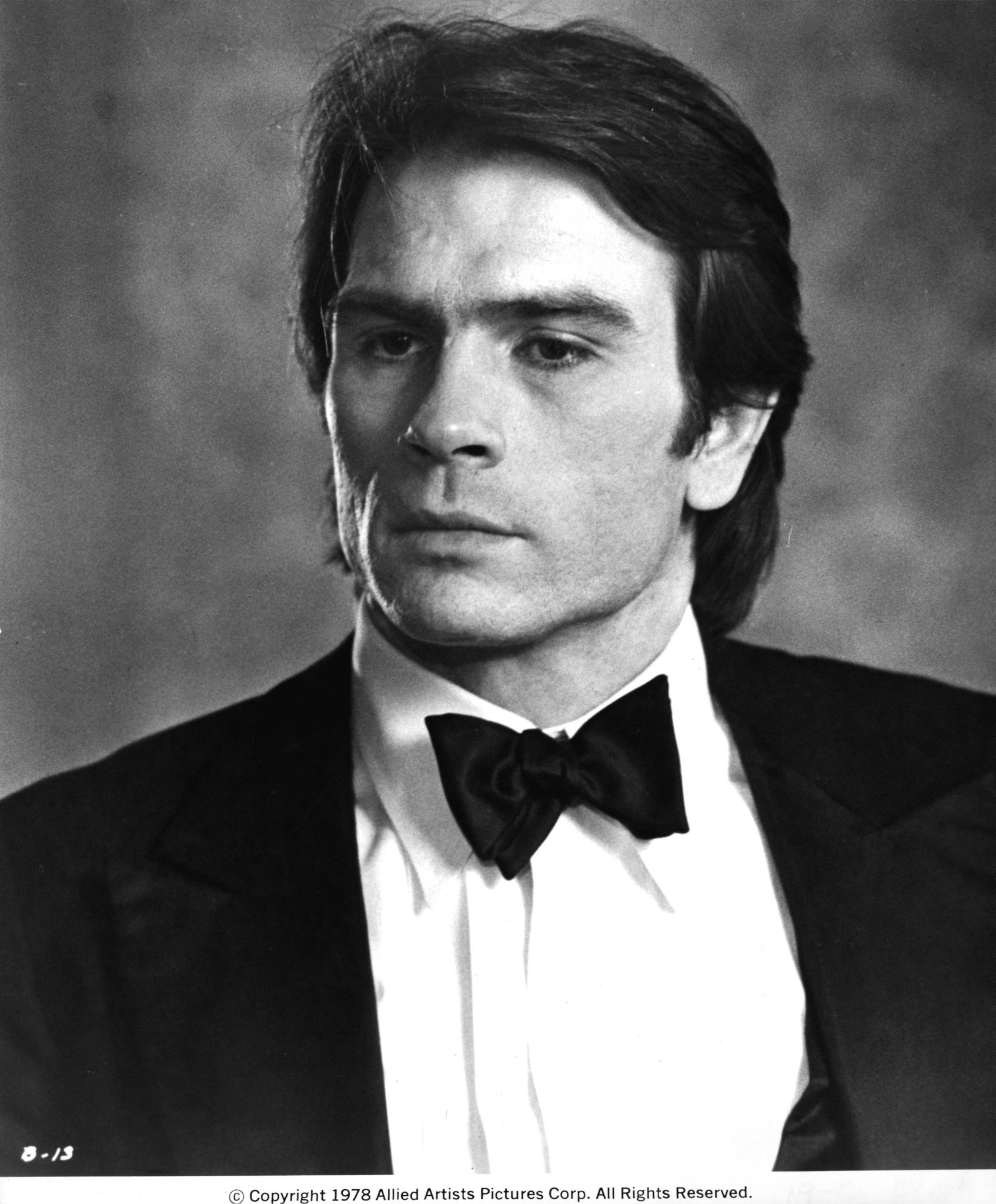
Young Tommy Lee Jones: Early Career & Life
Was the young Tommy Lee Jones a different actor than the seasoned one? A look at the career trajectory of an iconic American screen presence.
The term "young Tommy Lee Jones" implies a consideration of the actor's earlier career, highlighting a distinct period in his development as a performer. This period signifies a stage of a performers development, often marked by experimental roles and a growing sense of self. This stage is vital to understanding an actor's evolution, potentially revealing initial stylistic choices and the actor's influences early in a career.
Analyzing the early work of an actor like Tommy Lee Jones offers insight into the shaping of his later, well-known style. Exploring this earlier period reveals the actor's development, highlighting shifts in technique or approach that ultimately shaped the distinctive persona recognized in later works. This historical context can help appreciate the actor's progression and inform understanding of how certain acting characteristics are developed, drawing from initial influences and experimenting with different characterizations. Examining the young actor provides a unique perspective on the actor's growth and evolution. Understanding the actor's early body of work allows for a more complete appreciation of his career path.
| Aspect | Details |
|---|---|
| Birth Name | Thomas Lee Jones |
| Date of Birth | September 15, 1946 |
| Early Roles (Illustrative examples not exhaustive) | Potentially various roles in television or early films; may require specific research to identify precisely. |
| Early Career Influences | Uncertain without specific research; possibly early mentors or role models. |
A deeper exploration of the young Tommy Lee Jones's career can open avenues for analyzing the evolution of American cinema, the rise of specific genres, or the cultural impact of actors' changing styles. Examining early career choices can be valuable in understanding the complexities of acting trajectories, and provides insight into how actors evolve over time. This approach also contributes to a more nuanced perspective on the actors impact within the industry.
Tommy Lee Jones Young
Examining Tommy Lee Jones's early career offers a unique lens through which to understand his later, highly acclaimed performances. This phase of his career reveals developmental nuances, showcasing the actor's evolving style and influences.
- Early Roles
- Developing Style
- Initial Influences
- Character Portrayals
- Performance Technique
- Acting Training
- Early Career Projects
- Critical Reception (early)
Analyzing early roles reveals the foundation of Jones's later iconic persona. Developing style is evident in early performances, hinting at influences and stylistic choices. Examining his initial influences provides context, illuminating how those experiences shaped his work. Character portrayals in early films show the exploration of roles and types that would later define his career. The specifics of performance technique likely evolved during this early stage. Specific training methods or acting schools may inform his style. His early projects might offer insights into evolving techniques and approaches. Early critical reception can reveal the potential recognition or response to the actor's approach, influencing the path ahead. Understanding these aspects collectively paints a comprehensive picture of the evolving performer, from the early stages to the well-established persona.
1. Early Roles
Examining the early roles of Tommy Lee Jones provides crucial insight into his development as an actor. These early performances, often in lesser-known films or television projects, reveal formative influences and stylistic choices that shaped his later, acclaimed career. This period offers a glimpse into the actor's evolution, showcasing the interplay between initial influences and the evolution of his distinct style.
- Influence of Early Projects
Early roles frequently expose the actor's initial engagements with diverse characters and genres. These experiences can be formative, laying the groundwork for future stylistic decisions. The specific roles and acting techniques in these early endeavors can provide insights into the development of distinctive performance traits apparent in later work.
- Development of Performance Technique
Early roles offer an opportunity to trace the evolution of an actor's technical approach. Analysis of these performances can illuminate shifts in method or choices that influenced the actor's technical approach later. Early experiments and successes or challenges in these initial forays help define aspects of the actors' method or style.
- Identification of Emerging Style
Character portrayals in early roles often reveal initial stylistic preferences and influences. The emergence of thematic or visual patterns can be detected. Recognition of these patterns can assist in understanding influences, whether from other actors, specific genres or real-life experiences. Patterns that emerge, even subconsciously, help identify the development of an actor's evolving approach to character and storytelling.
- Contextualizing the Actor's Career Path
Early roles, even if not immediately impactful, provide contextual background to the actor's career trajectory. Understanding the actor's initial forays into the industry allows for a more comprehensive understanding of the choices that led to later success or critical acclaim. The interplay of early projects and later achievements creates a complete picture of career development.
Ultimately, the exploration of Tommy Lee Jones's early roles offers a pathway to comprehending the complex evolution of an actor. It highlights the importance of foundational experiences and the gradual development of a distinctive artistic voice, valuable in assessing the overall career.
2. Developing Style
The development of a distinct style is a crucial component of an actor's career progression. For an actor like Tommy Lee Jones, the early stages of their career, often termed "young," are characterized by a period of exploration and experimentation. This developmental period is essential for refining performance techniques, choosing character types, and cultivating a unique approach to roles. A discernible style, often evident even in early work, emerges from these formative experiences. This exploration and refinement are fundamental to the creation of a recognizable and impactful acting persona.
Examining the early work of Tommy Lee Jones reveals the genesis of his distinctive style. Initial performances, potentially in supporting roles or lesser-known projects, might showcase tentative steps toward crafting a unique manner of embodying characters. Analysis of these early efforts illuminates influences, techniques, and creative choices that later crystallized into the actor's signature approach. The evolution from these early forays, and the potential adjustments or refinements, highlights the importance of consistent development throughout an actor's career. Early successes or challenges provide valuable data, shaping and refining future choices.
The understanding of how style develops is not merely academic. It offers practical value to aspiring actors. Observing the stylistic evolution in an established actor's early work can serve as a model for others navigating their own careers. Understanding the iterative nature of style developmentinitial choices followed by experimentation and adjustmentcan guide aspiring performers toward a deliberate path of creation and refinement. This awareness can help performers recognize the significance of continuous growth and adaptation within the dynamic world of acting. The study of an actor's early development and evolving style offers valuable lessons for fostering a personal, recognizable performance approach.
3. Initial Influences
Understanding the initial influences on an actor like Tommy Lee Jones, particularly during their early career phase, is crucial for comprehending the development of their distinctive style and performance choices. Early influences can shape an actor's approach to roles, technique, and ultimately, their overall artistic identity. Analyzing these early formative influences provides a critical lens through which to interpret the mature works.
- Early Acting Teachers and Mentors
Exposure to specific acting coaches or mentors early in a career often shapes an actor's technical approach. Method acting, Stanislavski's techniques, or other approaches might be instilled. These initial methods and insights can directly influence their later approach to character development and emotional depth. Identifying these early mentors and their methodologies can illuminate how an actor's personal style takes shape and evolves over time.
- Impact of Early Role Models
Observing and emulating the work of other actors, even in early life, can significantly affect an actor's choices. A young actor might gravitate towards a particular performance style, an actor's emotional range, or physicality, creating a foundation for their own acting persona. This initial emulation can influence the actor's understanding of character, dialogue, and even physicality. Examining these influences, even indirectly, helps explain the actor's development.
- Effect of Early Performances
The early performances themselves, even minor ones, serve as a critical learning ground. Early stage experiences or roles in television or film can offer invaluable insights into the practicalities of acting and the interaction with various directors and collaborators. These experiences provide early feedback and adjustments in performance techniques and style. They may offer insights into the actor's adaptability, demonstrating a response to immediate challenges in the creative process.
- Cultural and Societal Influences
The prevailing cultural and societal context significantly shapes an actor's early work and understanding of roles. The social and political climate, prevalent themes, or significant events can influence an actor's choice of roles and emotional approaches. Analyzing this context explains potential thematic or stylistic parallels across their work.
In conclusion, tracing the initial influences on Tommy Lee Jones's early career reveals the formative impact of mentors, role models, and experiences. These elements shaped the choices made in "young" Tommy Lee Jones, setting the course for the distinctive persona that characterized his later, more acclaimed work. Recognizing these factors fosters a deeper understanding of how an actor's creative evolution unfolds.
4. Character Portrayals
Character portrayals in Tommy Lee Jones's early career are critical to understanding his evolving acting style. These early roles, often in less prominent or independent projects, offer a window into the initial development of his approach to characterization. The choices made in these early performances frequently foreshadow the actor's later, more widely recognized portrayals. The complexity and nuance demonstrated in early work reveal a consistent dedication to character development. This careful consideration of the characters' motivations, internal conflicts, and relationship to the narrative is a cornerstone of his later, celebrated performances. Observing these initial forays provides a valuable insight into the foundations upon which the actor's distinctive style was built.
The specific character types portrayed early in an actor's career offer clues about underlying interests and areas of exploration. For example, early portrayals might suggest an inclination toward complex, morally ambiguous characters or a dedication to naturalistic portrayals. The nuances of these early characters reveal a dedication to depth and authenticity, essential aspects of Jones's later work. Observing the subtle shifts in characterizationfrom initial experimentation to refined interpretationis crucial in understanding an actor's growth and the evolution of their approach. Analyzing these early portrayals offers a clearer picture of the artist's evolution, revealing the progression from tentative steps to mastery of complex characters.
Understanding the connection between early character portrayals and later work is valuable for several reasons. Firstly, it demonstrates the fundamental importance of a consistent commitment to depth and authenticity in characterization. Secondly, it highlights the potential for recognizing stylistic influences even in seemingly minor early roles. By examining these smaller parts, one can appreciate the seeds of a later influential and distinctive actor. Finally, it underscores the iterative and developmental nature of an actor's crafta journey of experimentation, refinement, and consistent dedication to creating believable and complex characters. Ultimately, the examination of early character portrayals provides a detailed insight into the formation of an actor's approach, which serves as a foundation for appreciating the full scope of their career.
5. Performance Technique
Performance technique, fundamental to any actor's craft, is particularly crucial in the formative years of an actor's career. The development and refinement of technique are integral components of an actor's evolution. In the case of Tommy Lee Jones during his early career, an examination of the technique employed in his early roles offers insights into the shaping of his subsequent distinctive style. Early experimentation with various techniques reveals the path toward finding and honing a personal approach. The practice and adaptation of techniques, even in less prominent roles, foreshadow the stylistic choices that characterize his later work.
Specific examples of performance technique in early roles might reveal the actor's emerging approach to embodying characters. Did the actor favor emotional realism, utilizing methods associated with Stanislavski or other approaches? Did a physically driven style emerge in early parts? Or, were there elements of comedic timing or dramatic pauses apparent in initial performances? These early indicators are crucial. Analyzing these techniques provides a roadmap for understanding the progression from tentative explorations to a developed performance style. The choices made in early roles provide insight into the methods and approaches that became foundational to the actor's distinctive technique later in their career. Further analysis of early film or television projects may reveal details of training or specific influences on an evolving style, providing a deeper understanding of their development.
In summary, scrutinizing performance technique in Tommy Lee Jones's early career reveals the critical role this element plays in shaping an actor's style and approach. The exploration of diverse techniques during this period offers valuable insights into the actor's evolving artistic vision. The understanding of these early stylistic elements illuminates the development of a mature performance persona. This process, observed over time, offers a framework for comprehending the evolution of an actor's craft. Analyzing the performance techniques reveals an evolving artistic voice and the actor's dedication to honing a personal style.
6. Acting Training
The connection between acting training and the "young" Tommy Lee Jones period is significant. Training, whether formal or experiential, profoundly influences an actor's development. Early training methods and techniques, applied to nascent roles, can reveal tendencies and establish foundational approaches. This early application shapes the actor's later style, influencing choices about performance technique, character portrayal, and emotional engagement with roles. The impact of early training is evident in the evolution of an actor's craft.
The specific training an actor receives during their formative years can profoundly affect their approach to acting. Formal training, encompassing methods like Method acting, Stanislavski techniques, or specific acting schools, equips actors with practical tools and frameworks. This foundation informs subsequent choices, potentially shaping a commitment to emotional authenticity or a focus on physicality. Conversely, experiential training, gained through diverse early roles or collaborations, provides practical experience, allowing actors to adapt techniques in real-world performance settings. Regardless of the form, acting training plays a crucial role in the evolution of an actor's style. Early choices in training often reflect the developing artistic vision, influencing the actor's commitment to particular roles, techniques, and creative approaches. These choices, often made during the "young" stage, can become defining aspects of the actor's later, more recognizable style.
In essence, the influence of acting training on an actor's early career is multifaceted. Understanding this connection illuminates the developmental progression of an actor, from initial stylistic choices to established technique. This knowledge is crucial for appreciating the artistry involved in creating a recognizable and impactful performance style. Analysis of early work, paired with knowledge of the acting training an actor received, provides a richer, more nuanced understanding of the creative process and the development of an actor's distinctive style, as demonstrated in the trajectory of Tommy Lee Jones's career. Early training sets the stage for later mastery of technique. The link between training and the evolution of an actor's style during their early career is critical to appreciating the actor's overall artistic development.
7. Early Career Projects
Early career projects are pivotal in understanding the development of an actor like Tommy Lee Jones. These initial endeavors, often less prominent than later works, serve as a critical foundation for examining artistic evolution and the formation of a distinct performance style. Analyzing these projects provides insight into the actor's early stylistic choices, influences, and the development of technical and interpretative approaches.
- Formative Experiences
Early projects, regardless of perceived prominence, offer formative experiences. These initial engagements with characters, roles, and production environments shape an actor's understanding of their craft. Exposure to diverse settings and working relationships during early projects contributes significantly to their skill development and evolving artistic perspective. Examples may include minor film roles, television appearances, or stage productions. These experiences, potentially demanding adaptation and innovation, establish early foundations and contribute to future artistic growth.
- Identifying Early Influences
Early projects frequently reflect the influence of mentors, role models, or prevailing artistic movements. Analyzing these projects can reveal stylistic preferences, emotional approaches, or technical strategies emulated or adapted by the actor. Examination of such projects allows identification of influences and the potential development of a unique aesthetic style, as well as the incorporation or divergence from those influences over time. Identifying early stylistic influences sets the stage for understanding how an actor's aesthetic develops and evolves.
- Demonstration of Versatility
Early projects frequently demonstrate a wider range of roles and genres than a later, established career might showcase. These projects often present a broader spectrum of character types and artistic opportunities. This initial versatility suggests an openness to exploration and adaptation. Understanding early versatility highlights a commitment to diverse roles and experiences, which can be crucial factors in shaping an actor's future, more recognized style.
- Assessment of Technical Skill Development
Early projects offer insight into the development of essential technical skills. Observing the actor's approach to dialogue, physicality, and emotional delivery, particularly in less-demanding roles, provides insight into the evolution of performance techniques. These early demonstrations offer a glimpse into the actor's ongoing refinement of those techniques and development of an approach to their craft. Initial displays of adaptability and problem-solving abilities in a production environment provide important data about the actor's eventual capabilities and approach.
Understanding these facets of early career projects is critical to comprehending the development of Tommy Lee Jones's acting style and the eventual evolution of his persona. Collectively, these experiences provide essential context for appreciating the complete artistic journey of an actor, especially during their "young" phase, and the progression to a more recognizable artistic identity. These formative projects serve as a foundation for understanding the artistic trajectory and personal growth displayed throughout a career.
8. Critical Reception (early)
Early critical reception of an actor's work, especially during the "young" phase of a career like that of Tommy Lee Jones, offers crucial insights into the evolution of their style and the development of their reputation. Analysis of early reviews provides context for understanding how an actor's work was initially perceived, informing potential stylistic shifts and career trajectory.
- Influence of Early Reviews on Actor's Style
Early reviews can directly or indirectly influence an actor's choices. Positive feedback might encourage a continuation of a particular performance style, while negative critiques could prompt adjustments in technique or role selection. This interplay between audience reception and an actor's creative decisions highlights the dynamic relationship between artistic evolution and external evaluation.
- Impact on Role Selection and Character Portrayals
Early critical assessments can shape an actor's understanding of their strengths and limitations. Positive responses to specific character types or acting styles might encourage the actor to explore those roles further. Conversely, unfavorable reviews regarding a particular approach to a character type could result in the actor seeking different types of roles, influencing their portrayal choices and the development of their overall approach.
- Reflection of Contemporary Taste and Critical Standards
Early critical reception reflects the prevailing standards and tastes of the time. The critical lens through which early work was viewed provides context for evaluating the evolving cultural landscape and its influence on artistic choices. Analyzing these reviews allows for a deeper understanding of the shifts in critical standards and how these shifts might have affected the actor's evolving artistic approach.
- Contribution to Career Trajectory and Public Perception
The initial critical response helps form the public's perception of an actor. Favorable reviews can lead to greater opportunities and establish a positive reputation, while negative criticism might limit roles or influence casting decisions. Assessing early critical reception helps understand how an actor's early reputation and professional standing were shaped, and potentially how these factors contributed to their later career trajectory.
In conclusion, analyzing the early critical reception of an actor like Tommy Lee Jones reveals a complex interplay between artistic development and external evaluation. Early reviews provide context for understanding an actor's evolving style, the choices made in roles, and the eventual trajectory of their career. By acknowledging this crucial connection between initial critical reception and an actor's early work, a more complete and nuanced picture of the individual's creative evolution emerges. The early critical perspective provides an insight into both the actor's artistic process and the evolving critical standards of the time.
Frequently Asked Questions
This section addresses common inquiries regarding Tommy Lee Jones's early career, providing concise and informative answers to frequently asked questions.
Question 1: What were Tommy Lee Jones's initial roles, and how did they shape his later work?
Jones's early roles, often in smaller, independent projects, provided crucial experience and allowed for experimentation with various character types. These early forays into different genres and roles fostered adaptability and shaped the performance techniques he later developed, influencing his later, more widely recognized style. Analysis of these early roles offers insights into the actor's evolution and the development of his distinctive persona.
Question 2: How did early acting training and mentorship affect his career trajectory?
Formal or informal acting training profoundly impacted Jones's work. Early mentorship and experiences influenced his performance choices, shaping his approach to roles, and establishing a consistent technical base. Understanding these formative influences is crucial to appreciating the development of his later, recognized style.
Question 3: What were some of the critical reception aspects of his early work?
Initial critical responses to Jones's early performances provide context. These assessments, regardless of positivity or negativity, offer insights into contemporary critical standards and how they potentially influenced casting choices and his development. Early critical evaluations shaped public perception and influenced career trajectory.
Question 4: What specific performance techniques were apparent in his early work, and how did they evolve?
Analyzing performance techniques in early roles reveals an actor's evolving understanding of their craft. Examination of emotional range, physicality, and dialogue delivery in early roles provides insight into the actor's progressive development. Specific approaches in these initial roles often foreshadow or form the basis for the technical strategies that define the actor's later, well-known style.
Question 5: How did early career projects influence his range and versatility as an actor?
Initial roles and projects often demonstrate a wider range of characters and genres than an established actor might showcase. These early explorations into diverse roles and collaborative contexts shaped his versatility and adaptability, demonstrating an openness to different characters and genres. Examining this versatility during his early phase is crucial in understanding the breadth of his later, acclaimed work.
Understanding Tommy Lee Jones's early career provides a comprehensive understanding of the evolution of an actor from nascent beginnings to a renowned, mature performance style.
This concludes the FAQ section. The following section will delve into [topic of next section].
Conclusion
This exploration of Tommy Lee Jones's early career reveals a crucial developmental phase. Analysis of early roles, projects, and critical reception illuminates the actor's evolving style, demonstrating the iterative nature of artistic growth. The formative influences, whether mentors, early roles, or prevailing cultural contexts, are clearly evident. The development of specific performance techniques and approaches to character portrayal during this period established foundations that significantly shaped his later, more acclaimed work. This examination underscores the significance of early career experiences in the creation of a distinct and enduring artistic persona.
The study of an actor's early work, particularly during the "young" phase, offers valuable insight into the multifaceted process of artistic development. This exploration provides a crucial framework for appreciating not only the actor's personal evolution but also the broader context of their artistic journey. Further research into specific early influences, roles, and critical reception can deepen the understanding of the actor's formative years and illuminate the complexities of artistic growth.