Ultimate Guide To Za Warudo: Everything You Need To Know
What is the significance of a specific, potent, and seemingly paradoxical statement in a fictional context?
The phrase, prominent in a popular anime series, represents a crucial, though paradoxical, concept. It embodies a formidable ability that, in the narrative, allows for the temporary cessation of time, a specific and potent manipulation of the temporal dimension. This ability is utilized in a particular and impactful way, often associated with a character's unique power set. The phrase, in context, serves a narrative purpose, altering the flow of events, defining conflicts, and influencing the progression of the plot.
The ability to momentarily halt time, while fictional, underscores themes of power dynamics, consequences of control, and the delicate balance of cause and effect. Its presence in the narrative suggests the potential for profound change and the often unintended repercussions of wielding such control. The specific use and context of this fictional ability directly influence its perceived importance to the plot. Its utilization can be viewed as a narrative device that allows for dramatic confrontations, altering the very fabric of the story itself.
This exploration can then be extended to examine the broader implications of temporal manipulation in various narratives across different media, highlighting how stories utilize such concepts to enhance conflict, create impactful moments, and shape the narrative landscape.
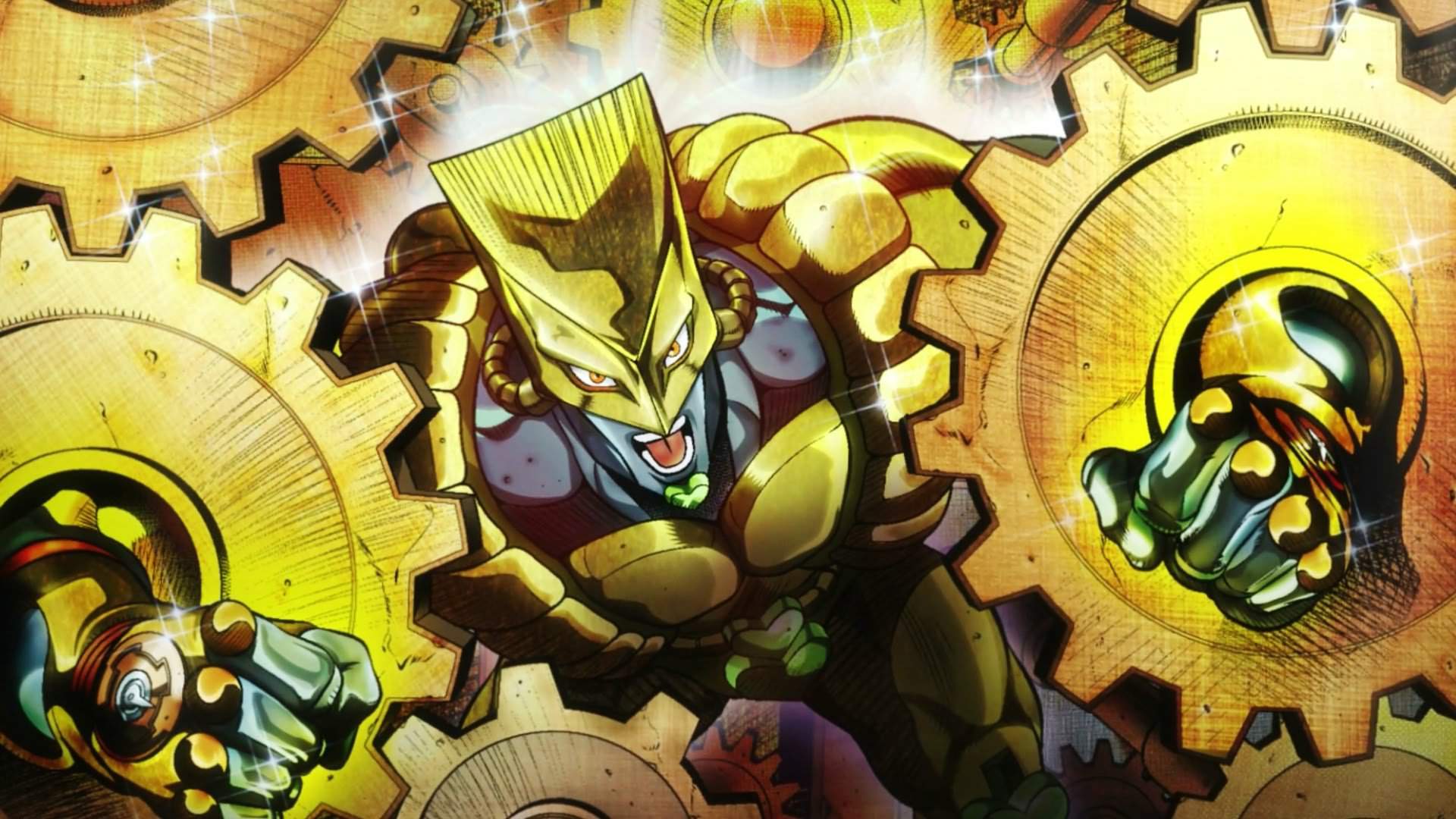
za warudo
Analyzing the multifaceted concept of "za warudo" reveals its intricate role within a specific narrative context. This analysis delves into eight key aspects to understand its significance and impact.
- Temporal manipulation
- Supernatural ability
- Narrative device
- Power dynamic
- Character motivation
- Plot advancement
- Conflict resolution
- Consequences
"za warudo," as a narrative device, demonstrates temporal manipulation as a supernatural ability. Its use shapes character motivations and drives plot advancement, highlighting power dynamics and conflict resolution. The consequences of employing this ability are interwoven with character choices, demonstrating how even momentary control over time creates significant repercussions within the story. The concept's impact relies on a precise interplay of these elements, emphasizing its pivotal role in the narrative structure. For instance, the use of temporal manipulation might reveal a character's desperation or strategic cunning, highlighting its multifaceted role in the narrative.
1. Temporal Manipulation
The concept of temporal manipulation, as exemplified by "za warudo," presents a potent narrative tool. This ability, allowing for temporary cessation of time, profoundly impacts the narrative by altering cause-and-effect relationships. Within the fictional framework, it becomes a crucial component of character interactions, plot development, and conflict resolution. The immediate and dramatic effects of this manipulation underscore the power dynamics inherent in controlling time itself. Such manipulation, while fictional, can be used to explore the philosophical implications of controlling time, the potential for both profound benefit and devastating consequences stemming from such power.
The practical significance of understanding this connection lies in recognizing the narrative function of temporal manipulation. It demonstrates how stories leverage extraordinary abilities to explore profound themes. The impact of "za warudo," a specific instance of temporal manipulation, forces the audience to contemplate the potential impact of such an ability on characters' choices, the narrative's momentum, and the eventual resolution of conflict. Furthermore, analysis of "za warudo" in relation to temporal manipulation illuminates the broader role of magical or supernatural elements in storytelling, enabling exploration of ethical and philosophical questions within a specific fictional framework.
In conclusion, the connection between temporal manipulation and "za warudo" is critical for understanding the narrative's mechanics. This fictional ability serves as a potent tool for plot progression, character development, and the exploration of themes relevant to the fictional universe. Recognizing the ability's intricate narrative function provides insight into how authors can utilize extraordinary elements to convey complex concepts and engage audiences with thought-provoking narratives.
2. Supernatural ability
Analysis of "za warudo" necessitates an understanding of its inherent nature as a supernatural ability. This exploration delves into the specific characteristics and implications of such an ability within the fictional context, focusing on how its unique properties shape narrative elements and contribute to the overall thematic landscape.
- Temporal Distortion as a Defining Feature
The ability to temporarily halt time, as represented by "za warudo," fundamentally alters the normal flow of events. This distortion, categorized as a supernatural phenomenon, establishes a clear deviation from natural laws within the narrative universe. Such abilities, while fictional, frequently serve as plot drivers, shaping character interactions, and highlighting the potential consequences of wielding extraordinary power. Examples of temporal manipulation in fiction often demonstrate the potential for profound change and the complex ethical dilemmas that arise.
- Impact on Narrative Structure
The presence of supernatural abilities like "za warudo" significantly influences narrative structure. Such abilities often act as catalysts for major plot points, creating opportunities for character development and conflict resolution. The narrative leverages this ability to drive the plot forward and create moments of high tension. By employing supernatural power, the narrative can explore themes of power, responsibility, and the consequences of choices within a specific fictional universe.
- Ethical Implications of Extraordinary Power
The possession of a supernatural ability like temporal control carries ethical implications. The potential for both positive and negative outcomes necessitates a careful examination of how such abilities are used and by whom. In the context of "za warudo," exploring the ethical considerations embedded within the fictional framework allows for a deeper understanding of the narrative's moral compass. The ability to manipulate time forces the characters and the audience to confront the moral implications of its exercise.
- Relationship to Character Development
The presence of a supernatural ability like the one associated with "za warudo" directly impacts character development. It highlights aspects of character personality, motivation, and strength (or weakness) through the consequences and uses of such a power. The ability becomes integral to the development of character arcs, shaping choices and actions. Exploration of how characters interact with and react to this extraordinary power reveals nuanced details of their personalities.
In conclusion, "za warudo," as a supernatural ability, serves a multifaceted role in shaping the narrative. Its presence influences plot development, character dynamics, and ethical considerations. Examining this ability within the broader context of supernatural elements in fiction illuminates how stories can use these tools to explore complex themes and create engaging narratives. By highlighting these connections, one gains a deeper understanding of how "za warudo" contributes to the overall impact of the fictional work.
3. Narrative Device
The phrase "za warudo" functions as a crucial narrative device. As a key component of the narrative, its effect stems from its ability to manipulate the temporal dimension. This manipulation is instrumental in shaping plot progression, character interactions, and the overall flow of the story. A narrative device, by its nature, facilitates specific plot points and influences the reader's experience. In the case of "za warudo," this device is central to the narrative's dynamics.
The use of "za warudo" as a narrative device influences various aspects of the story. Its deployment creates opportunities for dramatic tension, allowing for the highlighting of critical moments. It can also be instrumental in advancing the plot by creating specific challenges or by altering the course of events. The impact of this device is often tied to character choices and reactions. For instance, a character's decision to use or not use the ability "za warudo" might reveal crucial aspects of their personality and motivation. "za warudo" in this context is not simply a special power; it's a narrative tool used to drive the plot and develop characters.
Understanding "za warudo" as a narrative device is crucial for appreciating the story's structure and thematic elements. Its deployment dictates the unfolding of events and highlights the significance of choices within the narrative world. This understanding provides a framework for analyzing the overall story, revealing the author's intentions and the broader themes explored within the fictional universe. The ability to recognize such devices allows for a richer appreciation of the creative techniques employed to tell the story. The practical value lies in recognizing how narrative tools contribute to the narrative's impact and the comprehension of its underlying message.
4. Power Dynamic
The ability to manipulate time, as exemplified by "za warudo," inherently creates a significant power dynamic within the narrative. This power dynamic is not simply about the character wielding the ability; it shapes interactions, influences conflict, and establishes hierarchies among the characters. Understanding this dynamic is essential for comprehending the story's core themes and the motivations driving character actions.
- Asymmetry of Control
The possession of "za warudo" establishes an immediate asymmetry of control. Characters possessing this ability gain a significant advantage over those without it, influencing the flow of events and the outcome of conflicts. This asymmetry forces other characters to adapt, react, and strategize, highlighting the imbalance of power within the narrative's environment. The implications extend to how characters interpret their own power relative to others.
- Manipulation of Conflict
The use of "za warudo" directly impacts the nature and trajectory of conflicts. The ability to halt time allows for strategic maneuvering, enabling characters to seize opportunities, and potentially neutralize opponents. This power is not only about the force of the action but about controlling the very timing of events, altering the balance of power, and shifting the narrative's momentum.
- Influence on Character Relationships
The power dynamic associated with "za warudo" significantly influences character relationships. The possession or lack of this ability directly affects the dynamics of alliances, rivalries, and betrayals. Characters' responses to this imbalance often reveal underlying motivations and personal conflicts. The characters' choices concerning the use of this power reveal their value systems and motivations.
- Consequences of Unequal Power
The uneven distribution of power resulting from "za warudo" often leads to unintended consequences and ethical dilemmas. The ability to freeze time and manipulate events introduces moral complexities, forcing characters to confront the moral implications of wielding such exceptional control. The narrative often explores the burden of responsibility that accompanies such overwhelming power.
In conclusion, the power dynamic surrounding "za warudo" is not merely a plot device; it's a central thematic element driving conflict, shaping character interactions, and exploring the ethical dilemmas inherent in possessing extraordinary power. The narrative leverages this dynamic to showcase the consequences of imbalance and the complex choices characters face when confronting such a potent ability.
5. Character Motivation
Character motivation, in the context of "za warudo," is paramount. The ability to manipulate time, as embodied by "za warudo," fundamentally alters the landscape of conflict and character choices. This exploration analyzes how motivations are influenced and revealed through interactions with this powerful capability.
- Desire for Control
A common motivation is the desire for control, stemming from a perceived threat or an inherent insecurity. Characters wielding "za warudo" might seek to dominate their environment or protect those they value. This control-seeking motivation interacts with the ability's temporal manipulation, shaping strategies and influencing character actions. The pursuit of control through time manipulation reveals vulnerabilities and drives the narrative.
- Compensation for Perceived Weakness
Some characters might possess "za warudo" as a means of compensating for perceived weaknesses or inadequacies. The ability to pause time could serve as a psychological defense mechanism or a strategic tool to overcome perceived limitations. This motivation might drive the character's interactions with others, revealing their inner conflicts and motivations.
- Protecting Loved Ones
Protecting loved ones often serves as a powerful motivator for characters. The ability to manipulate time through "za warudo" might be utilized to prevent harm or safeguard those they cherish. This motivation emphasizes the importance of relationships and loyalty within the narrative's framework, demonstrating the lengths characters will go to protect those they value.
- Ambition and Power-Seeking
A character might employ "za warudo" to achieve ambitions or enhance their power. This motivation is tied to the desire for dominance and control over others, often leading to ethical conflicts and complex character arcs. The use of the ability for personal gain frequently reveals the underlying motivations and the consequences of such actions.
In conclusion, the motivations behind utilizing "za warudo" are diverse and complex. These motivations, be they rooted in control, compensation, protection, or ambition, are integral to understanding the characters' actions and the unfolding narrative. The ability to manipulate time, through "za warudo," acts as a catalyst for both conflict and character development, revealing deeper layers of human desire and the ethical implications of wielding extraordinary power. This understanding directly impacts interpretation of the story's central themes and emotional resonance.
6. Plot advancement
"Za warudo," as a narrative tool, directly impacts plot advancement. Its presence alters the progression of events, significantly influencing the development of conflicts and the resolution of narrative arcs. The temporary cessation of time, a defining characteristic of this ability, creates opportunities for dramatic action, strategic maneuvering, and decisive moments in the plot. This manipulation of temporal sequence necessitates meticulous planning, strategically employed to build tension, reveal character motivations, and ultimately propel the narrative forward. Without this carefully implemented temporal disruption, the plot might lack critical turning points and fail to create the desired impact on the narrative's trajectory. Real-world examples of such plot-driving devices exist in numerous stories, demonstrating the power of altering time sequences to create dramatic effect.
The ability to pause time creates specific opportunities for plot advancement. A crucial confrontation can be staged, characters can make significant decisions within an altered timeline, or critical information can be revealed in a highly impactful way. The narrative strategically employs this power, utilizing it for specific objectives that directly enhance the plot. For instance, the ability to freeze time could lead to a key character's realization of a crucial detail, a character's escape from a dangerous situation, or a decisive blow against an adversary. The consequence of this manipulation is an altered narrative timeline, driving the plot toward a specific culmination. Understanding how such temporal manipulation propels the plot forward is essential to interpreting the author's intent and the intended impact on the audience.
In conclusion, the connection between "za warudo" and plot advancement is undeniable. The ability to manipulate time is not merely a special power; it functions as a fundamental narrative device employed strategically to drive the plot, create impactful scenes, and ultimately shape the narrative's conclusion. Recognizing its crucial role highlights the intricate planning behind story development and the significant impact of narrative choices on overall comprehension and enjoyment. This understanding is essential for deciphering the author's intentions and appreciating the depth of the storytelling technique.
7. Conflict resolution
The ability to manipulate time, as represented by "za warudo," significantly impacts conflict resolution within the narrative. This analysis explores how the temporary cessation of time affects the manner in which conflicts are addressed, highlighting the strategies and consequences inherent in this unique form of power. Understanding this connection is crucial for comprehending the story's thematic depth and the intricate relationships between characters.
- Strategic Advantage in Confrontations
The temporary halt of time, provided by "za warudo," creates a strategic advantage in conflicts. Characters can use this pause to assess the situation, devise countermeasures, or gain a tactical advantage. This ability allows for the alteration of the immediate conflict, providing opportunities for decisive actions or calculated retreats. The manipulation of time in this context becomes a key element in conflict resolution, offering an unconventional tool for character choices.
- Modifying the Causal Chain
The ability to freeze time allows for the direct modification of the causal chain leading to a conflict. Characters can, within this frozen moment, alter the conditions that precipitated the conflict. This could involve preventing a harmful action from taking place or altering the very structure of the event leading to the crisis. The narrative might explore the ethical implications of such a drastic alteration in a conflict's trajectory, raising questions about cause and effect.
- Shifting Power Dynamics
The application of "za warudo" frequently alters the power dynamics within a conflict. By temporarily stopping time, the ability grants a moment of disproportionate control to the user. This shift in power can lead to unexpected consequences, impacting the outcome of conflicts. The subsequent reactions of other characters, and the subsequent alteration of conflict based on those reactions, highlight the dramatic consequences of such a sudden power imbalance.
- Ethical Considerations in Conflict Resolution
The use of "za warudo" to resolve conflicts raises ethical questions. The ability's nature, while beneficial in some circumstances, can lead to unintended consequences or a subversion of justice. The narrative might explore the moral implications of manipulating time in pursuit of resolution, prompting reflections on the fairness and appropriateness of using such exceptional power to achieve desired outcomes. The ethical quandaries associated with the ability, and the characters' choices within those circumstances, can underscore the story's thematic focus.
In conclusion, "za warudo" is more than a simple power; it's a significant element shaping conflict resolution strategies. Its presence influences the way conflicts are addressed, highlighting the narrative's exploration of power dynamics, moral choices, and the complex implications of altering time itself. Through careful manipulation of this ability, the story's creators can explore profound themes about justice, responsibility, and the consequences of extraordinary interventions. By examining how "za warudo" shapes conflict resolution, a deeper comprehension of the story's underlying messages becomes apparent.
8. Consequences
The utilization of "za warudo," the ability to temporarily halt time, invariably entails consequences. This examination delves into the profound impact of these consequences, emphasizing the intricate connection between cause and effect inherent in this fictional power. The ability's very nature, with its capacity for altering the natural flow of events, necessitates a thorough consideration of potential repercussions. A key component of "za warudo" is not merely its power, but also the intricate web of consequences that follow its activation. Such a capability, while fictional, offers a compelling lens through which to examine the broader theme of cause and effect in various contexts.
The consequences stemming from "za warudo" extend beyond the immediate action. A character's decision to utilize this power is rarely isolated. The ripple effect can manifest in unforeseen ways, impacting relationships, altering the trajectory of conflicts, and potentially creating further problems. The story often highlights how a seemingly simple use of "za warudo" can have far-reaching repercussions. Real-life instances of decisions with significant, unintended consequences, such as historical policies or scientific advancements, serve as pertinent parallels, underscoring the gravity of altering established timelines and the importance of considering all outcomes. For example, the decision to use "za warudo" to prevent a disaster could inadvertently create an even more profound problem later in the story. This connection between action and consequence forms a critical element of the narrative structure, compelling readers to contemplate the responsibility that comes with possessing such extraordinary power.
In conclusion, the consequences associated with "za warudo" are not merely plot devices; they are integral to the story's exploration of power, morality, and the unpredictable nature of cause and effect. By examining these consequences, the narrative compels reflection on the choices made by characters wielding extraordinary abilities and the potential ramifications of those choices. Understanding the deep-seated connection between "za warudo" and its consequences illuminates the underlying themes and provides deeper appreciation for the complexity of the fictional world presented. This profound understanding of consequences, in the context of this fictional ability, offers insight into how narratives can employ such tools to explore profound themes and create thought-provoking stories.
Frequently Asked Questions about "Za Warudo"
This section addresses common inquiries regarding the powerful ability "Za Warudo." These answers aim to clarify its function, significance, and implications within the narrative context.
Question 1: What exactly does "Za Warudo" do?
The phrase "Za Warudo" represents a specific supernatural ability allowing for a temporary cessation of time. Its activation freezes the surrounding environment, enabling extraordinary opportunities for strategic action, maneuvering, or critical moments in the narrative.
Question 2: Who possesses this ability?
Possession of "Za Warudo" is tied to specific characters within the narrative. The ability's use and subsequent consequences are directly related to the character's motivations and interactions with other characters. The narrative often highlights how the ability affects the relationships and power dynamics amongst these individuals.
Question 3: What are the consequences of using "Za Warudo"?
The application of "Za Warudo" carries significant consequences, extending beyond the immediate action. These effects can manifest in unforeseen ways, influencing character relationships, impacting the progression of conflicts, and potentially creating further complications. The story frequently emphasizes the burden of such extraordinary power.
Question 4: How does "Za Warudo" affect the plot's progression?
"Za Warudo" acts as a pivotal narrative device, significantly impacting plot advancement. Its employment creates opportunities for crucial moments, strategic maneuvers, and altering the course of conflicts. This ability acts as a catalyst for significant plot developments and often highlights important character choices.
Question 5: What are the ethical implications of "Za Warudo"?
The ability to manipulate time, as exemplified by "Za Warudo," inherently presents ethical dilemmas. Its use raises questions about the morality of interfering with the natural flow of events and the responsibility that comes with possessing such extraordinary power. The narrative often explores the moral quandaries inherent in wielding such significant control over time.
Understanding these responses provides a clearer context for interpreting "Za Warudo" within the overall narrative. Further considerations of its multifaceted applications within the fictional universe are available within the wider work.
This concludes the FAQ section. The following section explores the deeper meaning of 'Za Warudo'.
Conclusion
The analysis of "Za Warudo" reveals its multifaceted role within the narrative. Examining its function as a potent narrative device, the ability's impact on power dynamics, character motivations, and plot progression underscores its critical significance. The temporary cessation of time, as embodied by "Za Warudo," is not merely a spectacle; it acts as a catalyst for intricate conflicts, ethical dilemmas, and profound character development. The ability fundamentally alters the narrative landscape, creating opportunities for strategic maneuvering, crucial plot points, and dynamic interactions. The consequences, both intended and unintended, further highlight the complexities of wielding such extraordinary power. This examination elucidates how "Za Warudo" functions as a potent tool for exploration of themes, including the delicate balance between power and responsibility, the intricacies of causality, and the profound impact of extraordinary abilities on character arcs.
In conclusion, "Za Warudo" transcends its designation as a simple ability; it embodies a crucial narrative component, driving the story's themes, shaping character journeys, and propelling the plot forward. The examination of this ability compels reflection on the potential consequences of extraordinary power and the often intricate relationships between action and consequence. The exploration invites consideration of how similar narrative devices can be employed to construct complex and thought-provoking narratives, offering insight into the power of storytelling to evoke critical engagement with profound ideas.
![[Fanart] I drew Za Warudo! r/StardustCrusaders](https://i.redd.it/p60eoatb2f441.jpg)


