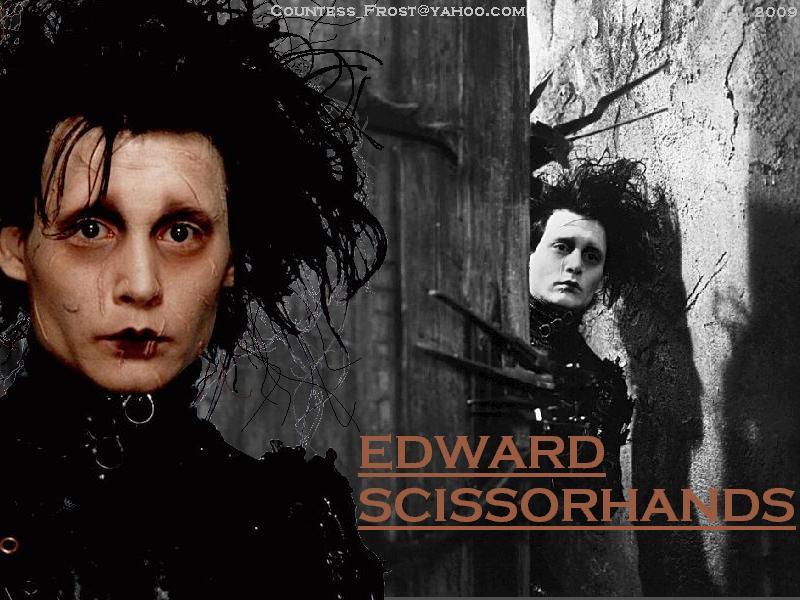
Edward Scissorhands 2: Tim Burton's Next Masterpiece?
A Sequel to the Beloved Sci-Fi Fantasy: Exploring the Potential of a New Story.
The concept of a direct follow-up to the 1990 film, focusing on the titular character and his subsequent adventures, represents a significant undertaking in filmmaking. This hypothetical sequel could reimagine the world established in the original, presenting fresh challenges and opportunities for the character's development. A new narrative thread could explore themes of acceptance, societal pressures, and the evolving nature of self-identity, echoing the film's original message of understanding and inclusion.
The anticipated success of a well-crafted sequel would depend on several crucial factors. Faithful adaptation of the original's tone and visual style would be essential for capturing the nostalgic appeal. Innovative storytelling would need to be employed to create new character dynamics and a compelling plot, avoiding mere repetition or retreading familiar ground. Engaging with social and cultural shifts in the ensuing decades could also enrich the story, allowing it to speak to a modern audience while honoring the original's timeless message.
The discussion surrounding a potential sequel delves into fascinating artistic considerations. It raises questions about adaptation, innovation, and the potential to re-energize a cherished cinematic creation. A thoughtful and respectful approach to such a project holds the key to success. A deep understanding of the original film's legacy is a vital ingredient for any creative endeavor.
Edward Scissorhands 2
A potential sequel to Tim Burton's 1990 film necessitates careful consideration of its narrative trajectory and thematic resonance.
- Character development
- Narrative continuation
- Visual style
- Social commentary
- Emotional depth
- Nostalgia factor
- Audience appeal
Successful development of a sequel hinges on balancing established elements with innovation. Character development must build upon the original's themes of isolation and acceptance, deepening Edward's journey. The narrative continuation should avoid retreading familiar ground, focusing instead on new challenges and relationships. Visual consistency, reflecting the distinct artistic style of the original, is vital for maintaining thematic coherence. Subtle social commentary, echoing the film's critique of prejudice and conformity, would further amplify its resonance with modern audiences. Emotional depth is key to tapping into the human condition, prompting empathy and introspection. The potential allure of nostalgia for the original film provides a foundation for a sequel, but novel elements are required to capture a broader audience. Understanding what elements resonated with previous audiences is crucial to future success.
1. Character Development
Character development in a potential sequel to Edward Scissorhands is crucial for success. A compelling sequel must deepen the protagonist's journey, responding to the emotional resonance of the original. Failure to effectively address character arc could render the narrative disjointed and unconvincing.
- Growth and Change
The sequel must show tangible evolution from the original film. This could involve confronting new challenges, experiencing significant loss or gain, and demonstrating increased emotional maturity. For instance, a character's resolution to overcome a fear or embrace a vulnerability constitutes growth. In the context of Edward Scissorhands 2, this might mean confronting societal pressures, learning to integrate fully into a community, or facing a personal crisis.
- Motivation and Conflict
Understanding the character's driving motivations is fundamental. A strong narrative will reveal what propels the protagonist forward. This might arise from external pressures like social ostracization or internal struggles such as self-doubt or a desire for belonging. An effectively integrated conflict will give the narrative momentum and maintain interest. In Edward Scissorhands 2, this might involve navigating changing social dynamics, coping with the consequences of past actions, or facing new and unexpected threats.
- Relationships and Interactions
Exploring Edward's relationships with other characters is essential for emotional development. Expanding existing bonds with those from the original or introducing new connections will offer depth. The exploration of complex human interactions, including nuances in communication and personal growth, will add a dimension of realism and further the story. For example, forming genuine connections with other characters could help Edward integrate better into a more accepting society or create new obstacles and emotional turmoil for him in a society that still resists him.
- Consistency and Subtext
Maintaining consistency with the original themes of isolation, prejudice, and acceptance is vital. Exploring Edward's emotional arc within these themes will offer insight into the human condition. Understanding subtle messages in the original and weaving these into the sequel will add layer to the storytelling and avoid diluting the essence of the original film. The sequel could maintain a similar aesthetic style but add new contextual layers to the issues of social ostracization and belonging.
Ultimately, nuanced character development in a sequel to Edward Scissorhands will determine its success. The story must not only entertain but also engage emotionally with the audience, reinforcing the film's core messages. Creating a compelling journey for Edward in the sequel requires attention to these specific facets.
2. Narrative Continuation
A sequel to Edward Scissorhands necessitates a meticulously planned narrative continuation. This continuation isn't simply an extension of the original but a considered evolution, building upon the established themes and characters while introducing fresh challenges and perspectives. The success of Edward Scissorhands 2 hinges critically on how effectively the narrative advances Edward's story, maintaining emotional resonance and thematic integrity. Failure to craft a cohesive narrative continuation risks undermining the legacy of the original film.
Consider successful sequels like The Empire Strikes Back. It didn't merely repeat the initial adventures but deepened the character arcs, introduced new conflicts, and explored complex themes, enriching the overall narrative. A sequel to Edward Scissorhands must similarly progress the narrative. Maintaining the visual and thematic motifs of the original, while advancing the story, is paramount. The continuation should not simply replay the previous plot but should reflect and respond to the passage of time, evolving characters, and changing societal dynamics. For example, a sequel set decades after the original could explore how the lessons of acceptance and belonging in the face of prejudice have changed, or how societal attitudes have adapted to new discoveries or inventions. The sequel should present a natural progression, maintaining continuity while offering new perspectives on the characters and their world.
In essence, a strong narrative continuation for Edward Scissorhands 2 requires a profound understanding of the original film's core themes and the impact of time. The sequel must feel both connected and distinctly new, offering a genuine evolution rather than a superficial rehash. This demands careful consideration of character development, plot progression, and thematic resonance. Only a nuanced and thoughtful narrative continuation will allow the sequel to achieve its potential, honoring the legacy of the original while crafting a new and compelling story.
3. Visual Style
The visual style of Edward Scissorhands is inextricably linked to the film's thematic core and emotional impact. A sequel must meticulously consider how this visual style will be adapted to maintain thematic consistency and create a cohesive experience for the audience. The stark contrasts, eccentric character designs, and meticulous attention to detail in the original film are crucial elements that evoke a distinct aesthetic. A sequel must emulate these qualities while simultaneously introducing stylistic choices that reflect the passage of time and any evolution in the story.
Maintaining a similar visual aesthetic would evoke nostalgia for the original, yet a sequel must also evolve. This evolution could manifest in subtly altered color palettes, nuanced lighting techniques, or updated production design to reflect changes in time and place without betraying the original's core identity. Consider how the original film's unique blend of gothic horror and whimsical fantasy created a specific visual language. A sequel must honor that language while finding new ways to express its narrative. Real-life examples of successful sequels demonstrate this delicate balance. The visual style of The Dark Knight Rises, while differing from the first film, seamlessly integrated its unique visual signature while pushing the narrative and characters forward. Adapting and refining, rather than outright abandoning, this visual style allows the sequel to retain the essence of the original while providing a new, compelling cinematic experience.
Ultimately, the visual style of Edward Scissorhands 2 must be a conscious choice that reinforces the story's themes and contributes to the audience's emotional engagement. It should not simply imitate the past, but thoughtfully adapt it to convey the evolution of characters and plot while honoring the original film's stylistic hallmarks. Success lies in maintaining a recognizable visual DNA while injecting elements that feel fresh and appropriate to the new narrative.
4. Social Commentary
A sequel to Edward Scissorhands presents a significant opportunity to explore contemporary social issues through a lens informed by the original film's themes. The film's enduring power lies in its ability to address societal prejudices, the challenges of difference, and the complexities of belonging. A sequel must thoughtfully consider how these themes continue to resonate in modern times and, if handled skillfully, offer a compelling commentary on current societal concerns.
- Prejudice and Discrimination
The original film vividly portrays the prejudice faced by those perceived as different. A sequel can explore how these societal biases manifest in contemporary forms. Examples range from discrimination based on appearance or socioeconomic status to prejudice rooted in differing values or cultural practices. A sequel could address such issues with subtlety, exploring how societal pressures and historical narratives shape perceptions of difference and how marginalized groups navigate discrimination. This might involve examining the complexities of judgment and empathy within a specific social context, offering an opportunity to explore the nuanced dimensions of prejudice and discrimination in the 21st century.
- Acceptance and Belonging
The film's central theme of acceptance and belonging is timeless. A sequel can examine how the struggle for acceptance has evolved. The challenges faced by those who are seen as outsiders, navigating societal expectations and societal norms, remain pertinent in contemporary society. This aspect of the sequel can examine the evolving nature of social acceptance and belonging, considering how inclusivity is both embraced and challenged in various social settings. This could address the subtle but pervasive ways in which societal norms impact individuals who do not fit neatly into traditional categories.
- Social Conformity and Individuality
The original film poignantly depicted the pressures of social conformity. A sequel could examine how social media, consumerism, and other contemporary forces impact the concept of individuality. The pressures individuals experience to conform to societal expectations in an era of instant global connection are pertinent issues for consideration. This might be explored through a character who, despite societal pressure to conform, clings to their unique attributes, resulting in internal conflicts and social tension.
- The Evolution of Societal Norms
A sequel can address how societal norms and values evolve over time. Exploring the generational shift in values and beliefs and its impact on individuals who don't conform to established norms can be a significant aspect. Exploring the potential conflicts between different generations and their approaches to social interactions is important. This could involve examining societal shifts in understanding concepts like family, community, and self-expression and how these values shape the characters' experiences.
In conclusion, a well-executed sequel to Edward Scissorhands has the potential to offer a nuanced and insightful commentary on pertinent societal issues. By engaging with themes of prejudice, acceptance, conformity, and societal evolution, the sequel can deepen the film's emotional resonance and extend its relevance to contemporary audiences.
5. Emotional Depth
Emotional depth is a crucial component of a successful sequel to Edward Scissorhands. A sequel must build upon the original's emotional foundation, not merely replicating its surface-level themes. The character's internal struggles, anxieties, and triumphs must be explored with greater nuance, reflecting the complexities of human experience. A lack of emotional depth can result in a shallow and ultimately unengaging narrative, failing to resonate with audiences on an emotional level.
Consider the character arc of Edward in the original film. His isolation and yearning for connection are powerful emotional drivers. A sequel should further develop these themes, exploring how Edward's experiences shape his emotional landscape, particularly in relation to new challenges, relationships, or societal pressures. For example, a situation where Edward faces rejection or struggles to adapt to a changed social environment could generate intense emotional responses. Analyzing how these responses are articulated and processed within the character's internal world is critical for creating a sequel that feels authentic and emotionally rich. Exploring Edward's evolving understanding of love, loss, and acceptance through these emotional journeys is paramount. To maintain emotional depth, the film must present clear motivations and consequences for Edward's actions, fostering empathy and a deeper connection with the audience.
The emotional depth of a sequel to Edward Scissorhands is intrinsically linked to its artistic merit and enduring power. A sequel lacking in emotional depth will not only fail to capture the original film's essence but may also underutilize the potential for meaningful storytelling. A genuine connection with the audience hinges on the ability to tap into universal human experiences through emotional resonance. The importance of emotional depth is therefore paramount in creating a sequel that not only entertains but also provokes thought and deepens our understanding of the human condition. A lack of emotional depth can result in a shallow narrative, rendering the sequel emotionally detached and ultimately unsatisfying.
6. Nostalgia Factor
The nostalgia factor surrounding Edward Scissorhands presents both a significant opportunity and a substantial challenge for a potential sequel. The enduring appeal of the film's unique blend of fantasy, dark humor, and poignant social commentary creates a powerful emotional connection for many viewers. This connection fuels a desire for a continuation of the story. Effectively leveraging this nostalgia factor is crucial, but so is recognizing its inherent complexities. A sequel must carefully consider how to honor the original film while simultaneously offering a new and compelling narrative that doesn't feel like a mere retread.
Successful sequels often leverage nostalgia as a foundation but inject fresh elements to cater to contemporary audiences. A masterful example is Star Wars: The Force Awakens, which capitalized on the established franchise's iconic imagery and characters while introducing new characters and storylines. Similarly, a sequel to Edward Scissorhands must evoke a sense of familiarity without being confined to echoing the original. The visual aesthetic, the central theme, and the core characters should evoke a sense of belonging to the original while also evolving in a believable and engaging manner. The sequel should recognize that audiences of today are different from those of the 1990s, expecting the story to adapt to changing societal values and sensibilities. The narrative must genuinely engage with the time-lapse without simply recreating the past. Understanding the potential conflict between maintaining the original charm and presenting a fresh, relevant narrative is critical.
Ultimately, the success of a Edward Scissorhands sequel hinges on how effectively it balances nostalgia with innovation. The strength of the originals emotional resonance creates a powerful pull, but this nostalgia must not become a constraint that limits the exploration of new themes or the development of fresh characters. The sequel needs to strike a delicate balance, offering a familiar experience while also providing unique and engaging elements for a new generation. By understanding and acknowledging the complex interplay between nostalgia and innovation, a sequel can potentially create a successful adaptation that caters to existing fans while attracting new ones.
7. Audience Appeal
The success of a potential Edward Scissorhands sequel is inextricably linked to its audience appeal. Understanding this factor is paramount to achieving a positive reception. A successful sequel must resonate with existing fans while attracting a new generation, fostering a connection with the material's core themes in a contemporary context. The sequels ability to evoke nostalgia without being a mere rehash is crucial. Attracting a broad audience hinges on recognizing and addressing current societal values and sensibilities.
Several factors contribute to audience appeal. A strong narrative, compelling character development, and a visually engaging aesthetic are fundamental. The original film's strength resided in its evocative portrayal of isolation, acceptance, and the struggle for belonging. A sequel needs to effectively adapt these enduring themes to resonate with modern audiences. Maintaining a consistent visual style while updating it to reflect the passage of time is vital. Successful sequels, such as The Avengers: Endgame, demonstrate the power of building on established foundations while introducing new elements that appeal to a broad audience. Analyzing the emotional impact of the original film and replicating or deepening those emotional responses through relatable character arcs and scenarios is essential. For instance, a thoughtful exploration of how societal pressures and prejudices affect a character like Edward in a contemporary setting can add layers to the narrative and generate greater audience engagement.
Ultimately, a thorough understanding of audience appeal is critical for a sequel. This involves acknowledging the influence of current trends, social issues, and evolving cinematic tastes. The goal is to create a film that both respects the legacy of the original and appeals to a diverse audience in the present. Failure to engage the modern viewer, to successfully adapt existing themes to current concerns, or to provide a new, exciting and compelling narrative, can jeopardize the sequels potential for success. A comprehensive and thoughtful approach that considers factors such as target demographic, story nuances, and emotional resonance is essential for capturing the desired audience appeal. A failure to acknowledge these factors would compromise the sequels ability to connect with a broad audience and risk alienating those who have come to expect specific qualities from a continuation of a beloved story.
Frequently Asked Questions
This section addresses common questions and concerns surrounding a potential sequel to the 1990 film Edward Scissorhands. These questions aim to provide clarity and context for discussion regarding such a project.
Question 1: Why is a sequel to Edward Scissorhands necessary?
A sequel, if undertaken thoughtfully, has the potential to offer a new narrative experience. It could explore themes of the original in a contemporary setting, addressing societal changes and shifts in values since the release of the first film. The potential exists for a richer exploration of the character and his circumstances in evolving times. However, such a project must be undertaken with sensitivity to the legacy of the original film.
Question 2: What are the potential challenges in creating a sequel?
Maintaining the unique tone and artistic style of the original film while creating a new narrative thread presents a significant challenge. A sequel must avoid simply rehashing familiar material. Successfully blending nostalgia with innovation is vital. Moreover, the potential for misinterpretation of the original's themes or characters could be problematic. The task also requires maintaining visual consistency and addressing potential concerns of the original film's core themes.
Question 3: How can a sequel honor the legacy of the original film?
Respect for the original film's themes, visual style, and emotional impact is essential. A well-structured sequel should deepen the thematic resonance, not diminish it. Addressing the nuances of character development, plot progression, and thematic integrity with sensitivity would be critical. Maintaining consistency in style and tone is essential while innovating in storytelling and character development.
Question 4: What are the potential benefits of a thoughtful sequel?
A well-crafted sequel can revitalize a beloved story for a new generation. A successful sequel could offer contemporary audiences a fresh perspective on timeless themes while still honoring the original's emotional impact. It also presents an opportunity for filmmakers to address societal issues of the present through the lens of the original story.
Question 5: What are the crucial considerations for a potential sequel's success?
Key considerations include preserving the original film's distinctive aesthetic and thematic resonance while introducing new narrative elements and challenges. Character development must be nuanced and avoid superficial portrayals. Maintaining emotional integrity and thematic coherence is vital. A genuine attempt at innovation, a profound understanding of audience expectations, and careful management of the original's legacy are critical for success.
In conclusion, a thoughtful sequel to Edward Scissorhands, focusing on careful adaptation, innovation, and the creation of a unique narrative, has the potential for success. The key lies in recognizing and effectively handling the challenges associated with such a project.
This section serves as a springboard for further discussion on the complexities of a potential sequel to Edward Scissorhands. The next section will delve into specific aspects of the film's legacy and themes.
Conclusion
The exploration of a potential Edward Scissorhands sequel reveals a complex interplay of factors. Maintaining the original film's thematic resonance while introducing new narrative elements and addressing contemporary issues requires careful consideration. Key elements include nuanced character development, a compelling narrative continuation, adherence to the film's visual style, and a sensitive approach to social commentary. A successful sequel would need to honor the legacy of the original while simultaneously capturing modern audiences' attention. The emotional depth, nostalgia factor, and audience appeal are vital in shaping the success of such a project.
Ultimately, the viability of Edward Scissorhands 2 hinges on a delicate balance between respecting the original and creating a fresh cinematic experience. The potential for a thoughtful sequel, while challenging, exists. Success will depend on meticulous attention to maintaining the essence of the original while embracing innovative storytelling techniques and addressing contemporary concerns within the narrative framework. The exploration presented here underscores the profound responsibility of adapting a beloved cinematic creation, a responsibility that necessitates both sensitivity and a commitment to artistic integrity.