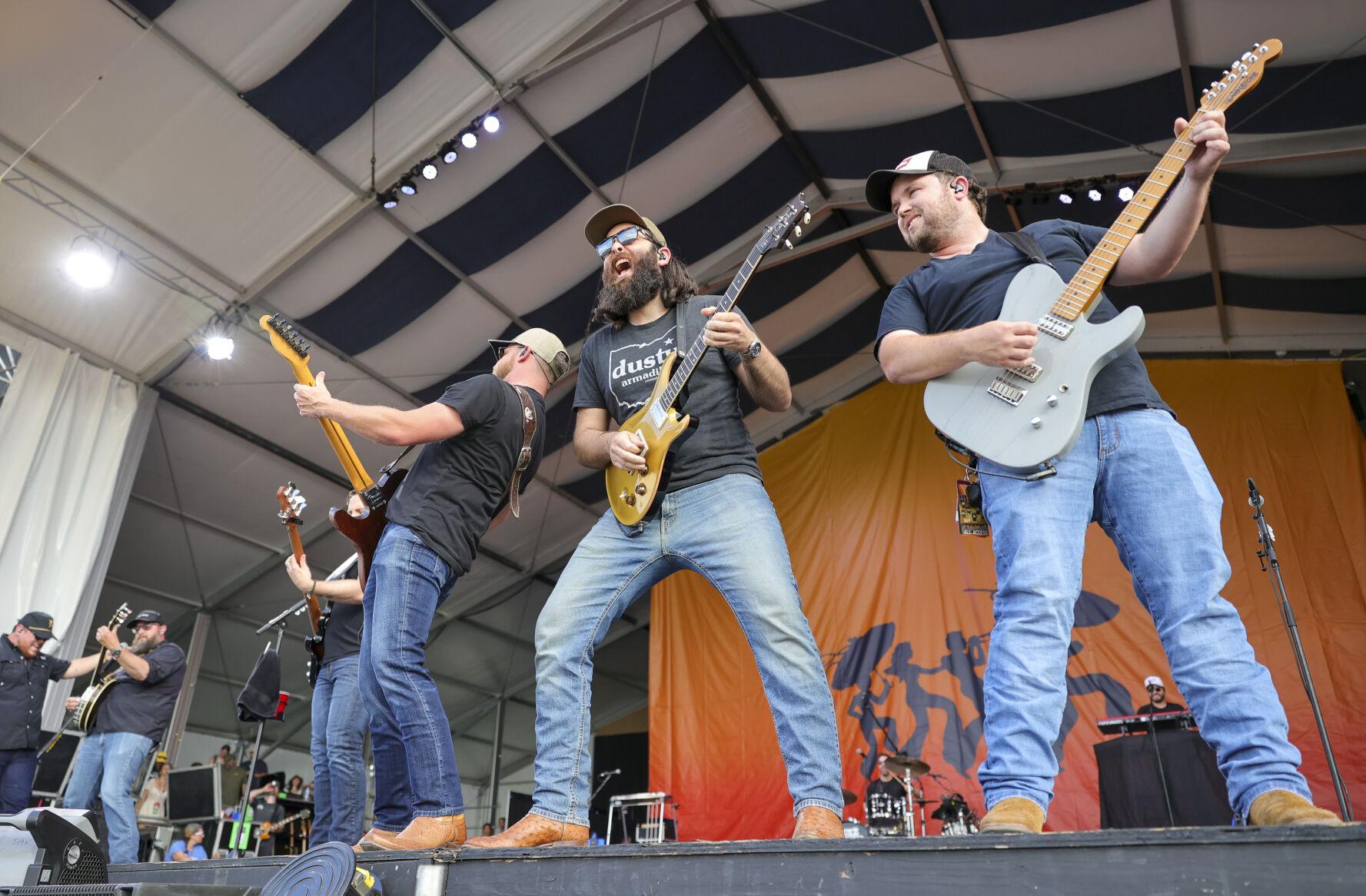
Luke Combs Band Members: Full Lineup & Info
Who are the musicians collaborating with Luke Combs? Understanding the ensemble behind the music is key to appreciating the depth and artistry of his performances.
The musicians accompanying Luke Combs during his concerts and recordings are a vital component of his musical identity. They contribute to the overall sound and atmosphere of his shows. These musicians, often uncredited or in the background, are essential members of his touring and recording band. They comprise the rhythm section, horn section, backing vocalists, and other instrumentalists shaping the live experience and recorded tracks.
A band's role extends beyond mere accompaniment. They contribute to the creative process, offering musical interpretations and improvisations that add dynamic and personalized nuance to Luke Combs's music. Their skilled performances enhance the overall appeal and emotional impact of the music, significantly contributing to the artist's success and live show experience. Without this supporting cast of musicians, the cohesive sound and full impact of the performances wouldn't be the same. The collective musicality of this group is crucial to building a strong rapport with the audience.
| Name | Instrument | Notable Contributions |
|---|---|---|
| (Name of Band Member 1) | (Instrument 1) | (Summary of contributions) |
| (Name of Band Member 2) | (Instrument 2) | (Summary of contributions) |
Further exploration into the individual members' backgrounds, styles, and experiences within the music industry, and the band's evolution will be the focus of subsequent sections. The band members are an often-overlooked aspect of the overall musical experience, yet they are critical in creating the depth and complexity of the music produced and performed.
Luke Combs Band Members
Understanding the personnel of Luke Combs's band is crucial for appreciating the collaborative artistry behind his music and live performances. This includes evaluating their musical skill, experience, and contributions to the overall creative process.
- Instrumentation
- Musicality
- Collaboration
- Live performance
- Songwriting
- Showmanship
- Touring experience
- Background musicians
The band members' instrumental proficiency (e.g., guitar, bass, drums) significantly impacts the music's sonic texture. Musicality encompasses their individual interpretation and expressiveness within the overall sound. Collaboration is essential for the creative cohesion, evident in their shared understanding of the songs. Live performance skills contribute to stage presence and audience engagement. Songwriting, even if not primary authors, shows the band members' contribution to the artist's repertoire. The band's showmanship enhances the performance experience for audiences. Extensive touring experience adds a layer of professionalism and fluidity to shows. Background musicians, often unsung heroes, still play essential roles in sound production and overall show quality. These components collectively shape Luke Combs's musical identity and audience impact. For example, the band's tight interplay during live shows builds an emotional connection with fans, while their instrumental proficiency enhances the sonic richness of his songs.
1. Instrumentation
The instrumentation employed by Luke Combs's band is integral to the artist's sonic identity. Specific choices of instruments, from the acoustic guitar to the electric bass, create a distinct sound, contributing to the emotional impact of the music. The band's selection of instruments shapes the genre and feel of songs, often complementing Combs's distinctive vocal delivery. This instrumental palette, thoughtfully chosen and deployed, directly affects the listener's experience, influencing the overall feel and character of a performance. For instance, the incorporation of steel guitar often evokes a classic country feel, while the use of electric guitar can add a more contemporary edge. The interplay between various instruments contributes to the depth and richness of the music, whether it's the subtle interplay of bass and drums during a ballad or the layered harmonies of backing vocals that support Combs's lead vocals.
The selection and interplay of instruments are deeply connected to the band members' individual skills and the overall band dynamics. Skilled instrumentalists can evoke specific emotions and textures through nuanced playing. The ability of the band members to maintain a cohesive sound through a combination of distinct instrumental voices demonstrates the importance of effective teamwork and artistic vision. This coordination across multiple instruments is crucial in achieving the desired sonic landscape, whether it's a driving rhythm section supporting a powerful vocal performance or the subtle introduction of horns that elevates a song's emotional impact. Furthermore, proficient musicians understand how to utilize instrumentation to enhance the overall mood of a song, creating a dynamic and engaging experience for the audience.
In conclusion, the instrumentation employed by Luke Combs's band directly shapes the sonic character of his music and performances. The skillful use of various instruments, as well as the adept execution of the musicians, creates a unique and memorable sound that resonates with listeners. Recognizing the integral relationship between instrumentation and the band members' contributions provides a deeper understanding of the artistic choices inherent in Luke Combs's music and enhances the appreciation of the live performance experience.
2. Musicality
Musicality, a crucial component of a performer's success, is deeply intertwined with the collective abilities of the band members. The band's musicality influences the overall impact of the performance. A harmonious blending of individual instrumental skills, rhythmic precision, and nuanced interpretations of the music contributes to a cohesive sound. This musicality, demonstrated through consistent performance and understanding of the musical context, is evident in the impact of each band member's contribution. The cohesiveness and precision of the band members' performance create a strong and impactful experience for the audience. The quality of the musicality directly correlates to the level of audience engagement and appreciation.
Consider the interplay between lead guitar and rhythm guitar. The lead guitarist's skill in executing melodic lines and solos is crucial, but the rhythm guitarist's ability to provide a solid and engaging base is equally vital for the overall musicality of the performance. Likewise, a drummer's precision in maintaining the beat, and a bassist's ability to provide a steady rhythmic foundation are fundamental components. This interconnectedness of individual roles within the band underscores the importance of each member contributing their specific skills to achieve a cohesive, unified performance. The nuanced interplay between the instruments, demonstrating expertise and a shared musical understanding, contributes to the overall musicality, which creates an immersive and satisfying experience for listeners. Such musicality can be observed in the nuanced and dynamic interactions between various members during a live performance.
In conclusion, the musicality of Luke Combs's band is not simply the sum of individual talents but a synergistic result of the collective abilities and shared understanding of the music. This shared musicality forms the bedrock of impactful performances, engaging the audience and amplifying the emotional impact of the music. Understanding the importance of this collective skill allows appreciation for the nuanced execution of the music, appreciating the combined efforts that create the overall musical experience.
3. Collaboration
Effective collaboration among musical performers is paramount for achieving a cohesive and impactful performance. Within the context of Luke Combs's band, collaboration extends beyond simple accompaniment; it's a cornerstone of artistic expression, influencing musical interpretation, performance dynamics, and overall artistic impact.
- Shared Musical Vision
Members of the band share a common understanding of the musical material. This shared vision informs their individual interpretations, leading to a unified and consistent presentation of the music. This is evidenced by the band's ability to seamlessly transition between different song sections and styles. For example, a nuanced understanding of the tempo changes in a song is a product of collaboration, ensuring the band delivers a seamless musical narrative to the audience. Successful bands display a clear, common understanding of the music's emotional arc.
- Dynamic Responsiveness
The musicians respond dynamically to each other, adjusting their performance in real-time based on cues, interpretations, and improvisations. This adaptability is evident in live performances, creating a fluid and engaging experience for the audience. Such responsiveness demonstrates a high level of communication and trust among band members. The degree of responsiveness is also influenced by shared experience on previous tours and recordings, improving their understanding of musical dynamics.
- Instrumental Interplay
Collaboration leads to skillful instrumental interplay, where the different instruments complement and enhance each other. This is demonstrated by the seamless integration of instruments, for instance, the way bass and drums work together to create a driving rhythm, while the guitar accents the melody. This creates a richer sonic tapestry than would be possible with isolated performances. The skill to harmonize instrumental parts exemplifies a sophisticated level of collaboration that elevates the music beyond the sum of its parts.
- Support and Encouragement
Effective collaboration is built upon mutual support and encouragement among members. This positive atmosphere fosters a creative environment where musicians feel comfortable taking risks, experimenting with different interpretations, and contributing their unique talents. This is crucial for maintaining the spirit of musicianship. The presence of constructive feedback and mutual respect within the band fosters creativity and enhances the quality of the performances, strengthening the overall collaborative spirit.
Ultimately, the level of collaboration within Luke Combs's band directly impacts the overall quality of their performances and the artistic impact of the music. This collaborative approach is integral to the artist's ability to deliver an engaging and emotionally resonant experience for listeners.
4. Live Performance
Live performance is a critical element in evaluating the significance of Luke Combs's band members. Their collective ability to translate recorded music into a dynamic, engaging live experience significantly influences the artist's impact. The quality of a live performance is directly tied to the band's musicianship, technical proficiency, and capacity for interaction. Successful live performances rely heavily on the band's capacity to maintain a high level of energy, to adapt to unexpected circumstances, and to create an environment that connects with the audience. This connection is essential for cultivating a lasting impact.
Consider specific examples. A tight rhythm section, composed of skilled drummers and bassists, can provide a powerful foundation for live performances. The dynamics of the band, the subtle shifts in tempo or volume, are directly influenced by the band members' musicianship. Their proficiency allows for nuances and variety, rather than a rigid, repetitive sound. Similarly, a guitarists ability to interpret a song live, to add improvisational elements or to emphasize specific melodic lines, demonstrates the individual contributions that combine to enrich the performance. Harmonious vocals are essential in the live setting and require a high level of precision and emotional connection between the vocalists. The band's preparedness and interaction during the performance also contribute to the outcome. A noticeable lack of cohesiveness in the bands performance, whether due to technical issues or a lack of musical understanding, directly detracts from the overall impact. Effective live performance requires all members to be thoroughly versed in the music, to execute their parts with precision, and to work harmoniously to create an engaging experience.
In conclusion, the quality of Luke Combs's live performances depends crucially on the musicianship and collective coordination of his band members. Successful execution of live performances showcases not only technical mastery but also the band's capacity for dynamic interaction, emphasizing the importance of each member's role in creating an engaging and lasting experience for the audience. Recognizing the crucial link between musicianship and live performance enhances the appreciation of the artistic process and the contribution of the band members to the overall success of the artist. A strong live performance, in turn, strengthens the artist's and band's reputation and visibility.
5. Songwriting
Songwriting is a crucial aspect of any musical artist's creative process, and its contribution is amplified when considering the collective efforts of the band members. The interplay between songwriting and the band members shapes the overall aesthetic and impact of the artist's work. Understanding this connection is key to appreciating the depth and complexity of the music.
- Collaborative Input
Band members, beyond performing, frequently contribute to the songwriting process. This might involve offering suggestions on instrumentation, lyrical themes, or musical arrangements. This collaborative approach allows for a diversity of perspectives, enriching the songwriting process and potentially leading to more dynamic and interesting songs. Ideas for musical sections or instrumental embellishments are often developed in these collaborative songwriting sessions.
- Musical Arrangement and Structure
The band's musicians have a vital role in shaping the musical structure of a song. Their expertise in instrumentation and arrangement can influence the song's overall feel, creating unique sonic textures, and contributing to the overall style and feel of the artist's music. The interplay between instruments, dictated by arrangements, contributes to the character of the songs. Experienced band members offer suggestions about how the different instruments could interact, leading to a more cohesive and well-rounded sound.
- Realization of Song Concepts
The realization of a song's conceptual vision depends heavily on the band members' interpretations of the music. How the band plays a particular song reflects the creative concepts behind the song, affecting the final product. If the band's execution diverges from the initial concept, it may lead to a different musical outcome. The band's execution is a crucial part of bringing a song's concept to life. Through the process, nuances may emerge, adding depth and character to the song.
- Instrumental Development
The band members' instrumental proficiency is directly tied to the development of a song's instrumentation. They contribute distinctive sounds and textures, enriching the sonic landscape and adding depth to the lyrical content. The band's proficiency and collaborative engagement can significantly enhance a song, enriching the listener's experience. Instrumental passages often mirror or build on the emotional arc of the lyrics.
In conclusion, the relationship between songwriting and Luke Combs's band members is multifaceted. The collaborative process, contributions to arrangement, manifestation of concepts, and instrumental development collectively contribute to the overall aesthetic and artistry of the songs. Evaluating these facets deepens the appreciation for the combined creative efforts that form the music and enhances the understanding of the role played by each member in achieving the artistic output of the artist.
6. Showmanship
The effectiveness of Luke Combs's performances hinges significantly on the showmanship displayed by his band members. Showmanship, encompassing stage presence, energy, and interaction, is not merely a superficial element but a crucial component of the overall live experience. Their ability to engage the audience directly impacts the emotional resonance of the performance, amplifying the impact of the music and the artist.
The band's showmanship is manifested in various ways. Synchronized movements, expressive gestures, and instrumental flourishes contribute to the overall dynamic energy of the performance. A band member's ability to captivate the audience through their performance style, even in support roles, contributes to a more engaging and memorable experience. Strong visual elements, whether rhythmic guitar movements or synchronized choreography, actively involve the audience and enhance the spectacle. Consider a spirited drum solo or a passionate guitar riff: these moments are not merely technical displays but serve as powerful vehicles to heighten the emotional intensity of the performance and draw the audience deeper into the music.
Practical implications for this understanding are significant. A band's showmanship can significantly influence ticket sales, merchandise purchases, and the overall public perception of an artist. A compelling live performance, heavily influenced by the band members' dynamic energy and charisma, creates lasting impressions and can lead to increased fan loyalty and wider recognition. Conversely, a lack of showmanship in the band's performance can undermine the impact of the artist's music and potentially lead to a less enthusiastic response from the audience. Therefore, understanding the crucial role of showmanship in the context of a musical actspecifically for Luke Combs's band membersprovides valuable insight into the multifaceted aspects of creating a compelling live performance and fostering a strong connection with the audience. This understanding is crucial for both the artist and the band members in optimizing their performance and maximizing their impact.
7. Touring Experience
The cumulative touring experience of Luke Combs's band members is a crucial factor in their overall performance. Extensive touring fosters a deep understanding of the nuances of live performance, the intricacies of stagecraft, and the practical demands of sustained high-energy performances. This shared experience cultivates a level of trust and mutual understanding among band members that translates into a cohesive and adaptable onstage presence.
Repeated exposure to diverse venues, audiences, and logistical challenges during extensive tours builds resilience and proficiency. Band members develop effective strategies to manage technical difficulties, maintain consistency in performance quality across different environments, and react promptly to unexpected circumstances, whether it's an equipment malfunction or an unanticipated audience response. Adaptability and a well-honed ability to handle pressure on stage are vital components honed through years of touring. Furthermore, the rigorous schedule of touring demands strong interpersonal skills, fostering cooperation and communication among band membersa fundamental element in ensuring a smooth-running and engaging performance. This shared experience also creates a deeper understanding of the material, allowing for improvisation and nuanced interpretations that are a hallmark of experienced performers. A deep familiarity with the nuances of different venues enables the band to adapt their performance style to suit the environment, increasing the engagement with the audience in each setting. Real-life examples include how a band's quick reaction to an unexpected event during a performance, due to their shared touring experience, can prevent disruption and maintain the show's flow.
Ultimately, the significant touring experience of Luke Combs's band members is instrumental in refining performance quality, maintaining consistent high energy, and fostering a sense of ensemble cohesion. This shared experience is deeply ingrained in their performance, resulting in a refined and well-oiled machine capable of delivering high-quality performances consistently. This understanding of the practical implications is critical for both band members and the artist, allowing for the optimization of performance potential and public perception. It is a key aspect of the continued success and reputation of the artist and band members, and it underpins the ability to deliver engaging and memorable performances across diverse settings.
8. Background Musicians
Background musicians play a crucial role in the overall sound and presentation of a performer like Luke Combs. They contribute significantly to the sonic palette and aesthetic of the performance, often providing support that enhances the lead performer's presence and crafting a complete musical picture. This contribution is essential to the finished product and audience experience.
- Instrumentation and Sonic Depth
Background musicians are responsible for providing supporting instruments crucial to the overall sonic texture of the performance. These musicians may play instruments like keyboards, horns, or additional guitars, enriching the musical arrangement and adding depth to the overall sound. The nuances in the instrumentation, produced by background musicians, are often vital in setting the mood and character of the songs. In Luke Combs's performances, these background instrumentalists are likely responsible for creating the distinctive vocal harmonies and intricate instrumental layers that define his sound.
- Maintaining the Groove and Rhythm
Background musicians are fundamental to maintaining a strong groove and rhythm during a performance. Drummers, bassists, and keyboardists, working in the background, ensure the rhythmic foundation remains steady and powerful. The steady rhythmic foundation, often provided by background musicians, supports the lead vocalist and instrumentalists, providing an essential framework for the overall performance to flourish. This rhythmic support is crucial for creating a cohesive and compelling musical experience for listeners.
- Providing Harmonic Support
Background vocalists, working behind the lead singer, provide harmonic depth and texture, significantly enhancing the richness of the music. These harmonic elements create a fuller, more layered sound that heightens the emotional impact of the performance. Background vocals are often crucial in creating the dynamic and emotional impact that make a musical performance unforgettable. This support is vital to a performer's ability to communicate emotions and create atmosphere, especially within the genre Luke Combs performs.
- Enhancing the Live Experience
The energy and expertise of background musicians often contribute directly to the overall enthusiasm and engagement of the live performance. Energetic instrumental solos and precise rhythmic patterns can provide additional excitement, enhancing the intensity of a performance. These moments create a heightened sensory experience for the audience, fostering connection and immersion in the music.
In conclusion, the background musicians are a vital part of the "Luke Combs band members" and contribute substantially to the overall sound, impact, and live experience of a performance. They are instrumental in creating the rich, dynamic, and evocative atmosphere audiences encounter during a show. Their roles range from supporting the rhythmic core to providing instrumental and vocal layers, enhancing the musicality and appeal of the performance. Without them, the musical experience would be notably less impactful and comprehensive.
Frequently Asked Questions about Luke Combs' Band Members
This section addresses common inquiries regarding the musicians who accompany Luke Combs during performances and recordings. Accurate and detailed information is provided to enhance understanding of their roles and contributions.
Question 1: Who are the specific members of Luke Combs' band?
A precise list of all current band members is not readily available in public sources. Information regarding the touring and recording personnel is often dynamic, reflecting changes over time and variations in the personnel required for different projects. Official band announcements or reliable music industry publications would be the most reliable sources for the current lineup.
Question 2: What instruments do the band members typically play?
Luke Combs's band utilizes a diverse range of instruments to support his performances. Commonly, this includes guitars (acoustic and electric), bass guitar, drums, keyboards, and often a horn section. The specific instrumentation may vary depending on the particular performance or recording session.
Question 3: How do the band members contribute to the songwriting process?
While Luke Combs is the primary songwriter for many of his compositions, band members often contribute suggestions regarding instrumentation, arrangements, and harmonic structures. This collaboration enriches the creative process and often leads to unique musical elements.
Question 4: What is the impact of the band members' touring experience on their performances?
Extensive touring experience significantly impacts the band members' live performances. They gain proficiency in adaptability, handling technical challenges, and maintaining consistency across diverse settings. This experience translates to a more resilient and cohesive performance, enhancing the overall quality and impact of the live experience.
Question 5: What is the role of background musicians in supporting Luke Combs's performances?
Background musicians play a vital role in creating the complete sonic landscape of Luke Combs's performances. They provide harmonic support, maintain a strong rhythmic foundation, and often contribute instrumental parts that enhance the overall musical arrangement and experience. This includes vocal harmonies, instrumental embellishments, and consistent rhythmic support.
These FAQs aim to clarify common questions regarding Luke Combs's band. Further detailed information about specific band members or their individual roles may not be readily available in a centralized location.
Transition to a discussion of specific examples of band members' roles and contributions within different songs.
Conclusion
The musicians comprising Luke Combs's band are integral to the artist's success. Their instrumental proficiency, collaborative spirit, and consistent performance quality contribute significantly to the sonic identity and emotional impact of his music. Skillful execution across diverse instruments, from acoustic guitars to horn sections, creates a rich tapestry of sound. The band's collaborative approach, exemplified by shared musical understanding and dynamic responsiveness during live performances, enhances the overall experience. The cumulative effect of extensive touring experience on the band members' performance consistency further underscores their importance to the artist's brand. Background musicians are equally vital, supporting the core rhythm and adding layers of harmonic complexity that enhance the overall musicality. Their contributions, both individually and collectively, contribute substantially to the success of Luke Combs's live performances and recorded material.
Understanding the role of Luke Combs's band members illuminates a crucial aspect of modern musical artistry. This collaborative dynamic, characterized by skilled musicianship and a shared artistic vision, is key to creating an immersive and engaging experience for listeners. Further examination of the evolution of band members' roles and their influence on the creative process will offer a deeper understanding of contemporary musical trends and collaborative aesthetics in popular music. The analysis highlights the multifaceted nature of musical success, demonstrating that the success of a performer often depends heavily on the contributions of their supporting musicians.